Common Budgie Health Issues and How to Prevent Them
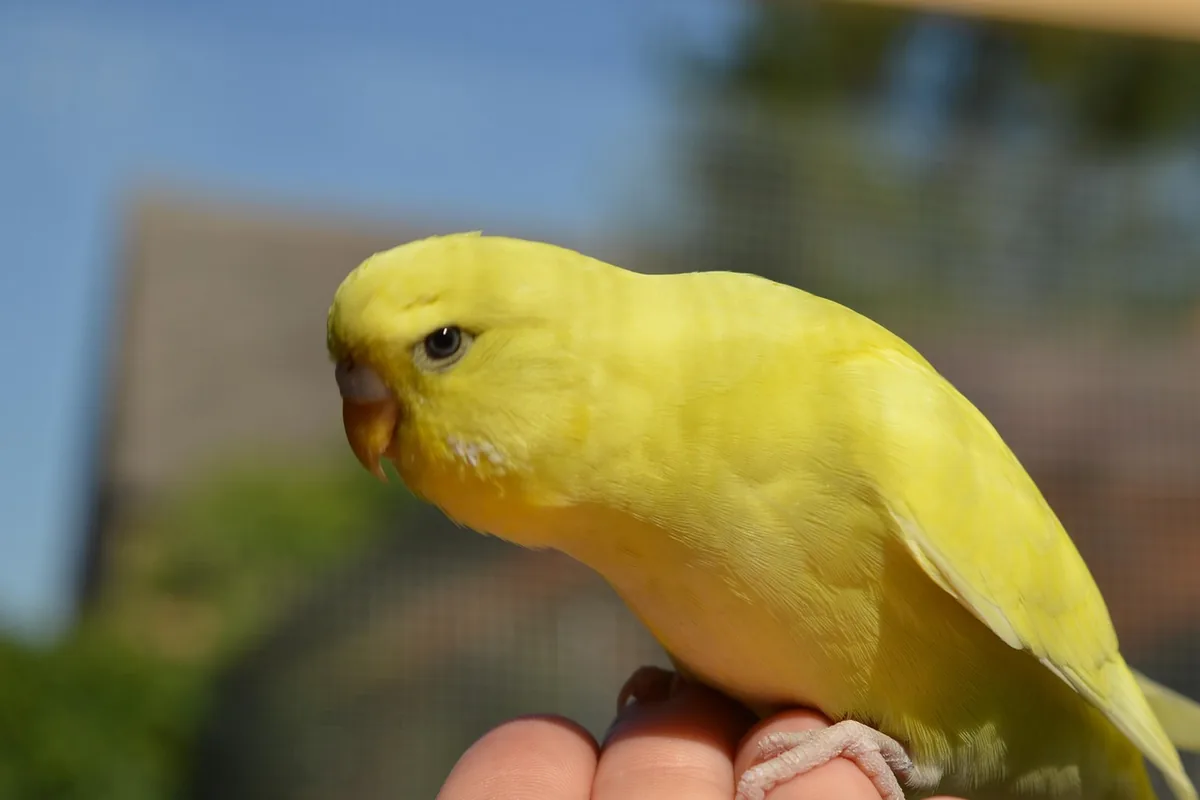
Budgies hide illness. As a small prey species, a budgie instinctively masks weakness until it is genuinely unwell — which is why the first rule of budgie health is that a bird "acting a little off" is often further along than it looks. At Bird Sitting Toronto, where we board hundreds of birds every year, the budgies that do best have owners who weigh them weekly and know an avian vet before they ever need one. This guide covers the conditions this species is genuinely prone to, the early warning signs, and where the line is between "watch" and "emergency."
The General Signs of a Sick Budgie
Because budgies mask illness, learn this short list cold. Any of these warrants attention, and several together warrant a same-day call:
- Sitting fluffed up and still for long stretches, often with both feet on the perch or on the cage floor
- Tail bobbing with each breath, tail pumping, or any open-mouth breathing
- Sleeping far more than usual, or sleeping during the active daytime hours
- Changes in droppings — colour, consistency, or a sharp drop in number
- Not eating, or picking at food without swallowing
- A visible weight drop on the gram scale (this is why weekly weighing matters — a budgie can lose 15% before it "looks" thin)
The Conditions Budgies Are Actually Prone To
Lipomas and Obesity / Fatty Liver
Budgies are strongly predisposed to lipomas — benign fatty tumours, usually a soft lump on the chest or lower belly — and to hepatic lipidosis (fatty liver). Both trace largely to the same cause: too much seed, too little flight. Watch for an overgrown, flaky beak and black bruise-like patches on the skin, which can signal liver trouble. Prevention is a pellet-forward, vegetable-heavy diet and real daily out-of-cage flight. Never crash-diet a bird; work with a vet.
Kidney and Testicular Tumours
Budgies have an unusually high rate of internal tumours of the kidneys and testicles. The classic early sign is subtle and easy to miss: a one-sided leg lameness or a foot that keeps slipping, caused by a growing mass pressing on the nerve to that leg. In males, a hormone-secreting testicular tumour can also turn the cere from its normal blue to brown. A limp that won't resolve, or a male whose cere is changing colour, is a vet visit — early imaging matters.
Iodine-Deficiency Goitre
An all-seed diet is low in iodine, and chronic deficiency swells the thyroid at the base of the neck. Because the swelling presses on the airway and crop, the signs are a soft clicking or squeaking with each breath, regurgitation, and sometimes a change in voice. This is one of the most preventable budgie diseases — it essentially disappears on a proper fortified diet. Never attempt to dose iodine yourself; let an avian vet confirm and treat.
Knemidokoptes "Scaly Face" Mites
Knemidokoptes mites burrow into the skin of the cere, beak, eyelids, and legs, producing a distinctive crusty, honeycombed, whitish build-up around the beak and nostrils. It is most common in young or immune-stressed birds, is contagious to other budgies, and is very treatable with a vet-prescribed antiparasitic. Don't pick at the crusts — get it diagnosed, because the beak can deform if it's left to progress.
Chronic Egg-Laying in Hens
A hen that lays clutch after clutch — with or without a mate — drains her body of calcium and protein and risks egg-binding, a life-threatening emergency in which an egg gets stuck. Triggers are long daylight hours, rich food, nest-like huts and boxes, and being petted on the back. Prevention is environmental: 10-12 hours of dark, no nesting cavities, and hands on the head only.
Warning: A hen straining, sitting fluffed on the cage floor, or unable to pass droppings may be egg-bound. This is a genuine emergency — keep her warm and humid and get to an avian vet immediately. Do not attempt to remove an egg yourself.
Respiratory Disease and Psittacosis
Budgies' tiny, efficient lungs make them exquisitely sensitive to airborne toxins — non-stick (PTFE/Teflon) fumes, scented candles, air fresheners, aerosols, and smoke can kill quickly. Infections, including psittacosis (a bacterial infection transmissible to people), show up as nasal discharge, sneezing, fluffed lethargy, and green or yellow droppings. Quarantine any new bird for 30 days and keep the air clean.
Wellness Exams and Preventive Care
Every budgie should see an avian veterinarian at least once a year — twice for birds over five or with any history of illness. A wellness visit typically includes a physical exam, a weight, a look in the mouth and at the cere, a fecal check, and bloodwork when indicated. In the Greater Toronto Area, book with a clinic that specifically lists avian or exotics services; a dog-and-cat practice usually isn't equipped for a 35-gram patient. Establish that relationship before an emergency.
| Preventive step | Why it matters for budgies |
|---|---|
| Annual avian vet exam | Catches tumours, goitre, and liver disease while still treatable |
| Weekly gram-scale weigh-in | The earliest, most objective warning of illness |
| Pellet-forward, veg-heavy diet | Prevents goitre, obesity, fatty liver, and lipomas |
| 10-12 hours dark sleep | Reduces hormonal chronic egg-laying in hens |
| Clean air (no PTFE, aerosols, smoke) | Protects hypersensitive lungs |
| 40-60% humidity | Eases Toronto's dry winter indoor air on airways and skin |
| 30-day quarantine for new birds | Blocks psittacosis, scaly-face mites, and other contagions |
When It's an Emergency
Call an avian vet immediately — these do not wait until morning:
- Labored breathing, tail bobbing, or open-mouth breathing
- Sitting on the cage floor, unable or unwilling to perch
- Bleeding from anywhere (a broken blood feather, a nail, the skin)
- A hen straining or unable to pass an egg or droppings
- Seizures, loss of balance, or collapse
- Complete refusal to eat for more than a few hours — a bird this small has almost no reserve
A Brief Word on First Aid
First aid buys time to reach the vet; it is never a substitute. Keep a sick or injured budgie warm (around 29-30°C / 85°F) and quiet in a covered carrier, and offer its usual food and water but don't force-feed. For a bleeding broken blood feather or nail, apply gentle pressure or a little cornstarch/styptic and then head to the clinic. Because budgies decline fast, the safest instinct is almost always to call your avian vet sooner rather than later.
Explore related topics
Related Articles
Aspergillosis in Birds: The Invisible Fungal Killer
Aspergillosis is one of the most common and deadly avian diseases. It's caused by a fungus that's everywhere in our environment.
The Avian First Aid Kit: 25 Essential Supplies Every Bird Owner Needs
When an emergency happens, you need supplies ready NOW. Here's what every bird owner should have on hand.
Bird Insurance: Is It Worth It? A Complete Guide to Avian Pet Insurance
A single emergency vet visit can cost $2000+. Pet insurance for birds exists — here's whether it's worth the premium.