Best Parrots for First-Time Bird Owners: A Honest Guide
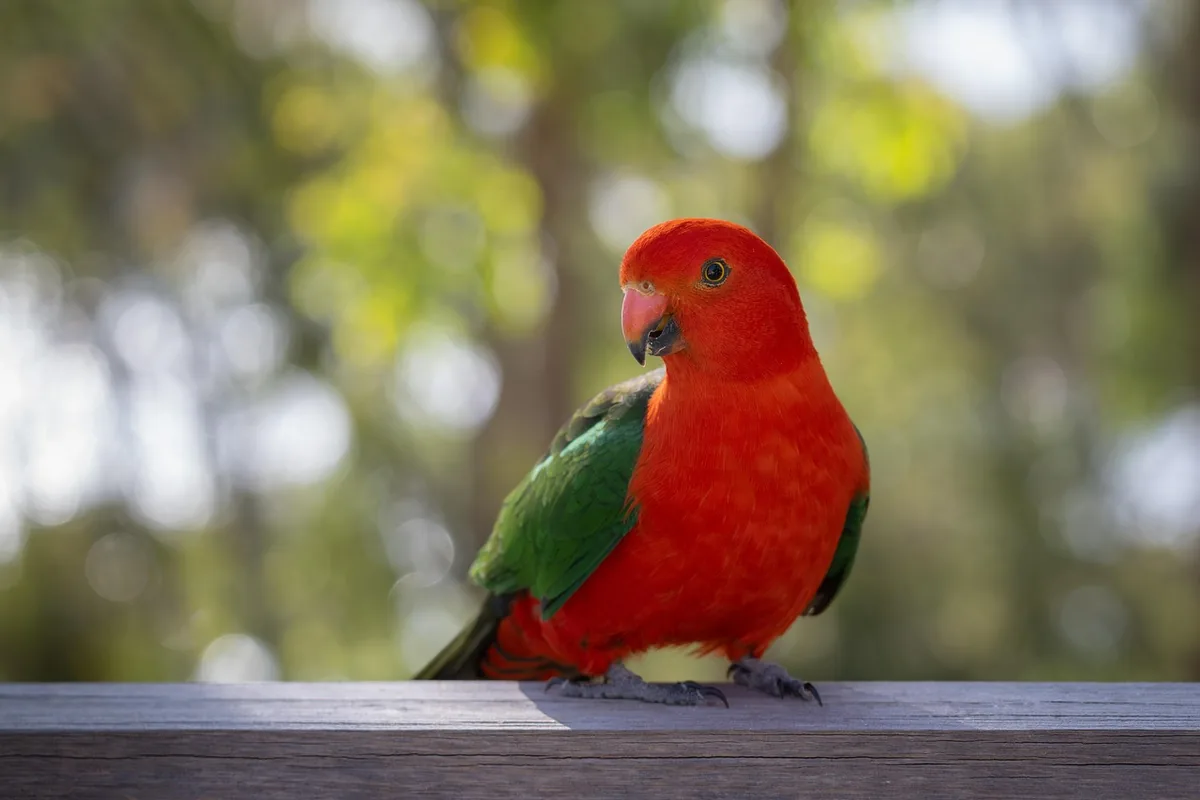
So You're Thinking About Getting Your First Parrot?
Getting your first parrot is one of the most exciting — and honestly, one of the most life-changing — decisions you can make as a pet owner. In our experience boarding over 1,000 birds at BST, we've seen the incredible joy that comes from the human-parrot bond. But we've also seen the challenges that catch first-time owners completely off guard.
Here's the thing: parrots aren't just colorful pets that talk. They're complex, intelligent creatures with needs that go far beyond what most people expect. This guide will give you the honest truth about parrot ownership — the wonderful parts and the challenging ones — so you can make the best decision for both you and your future feathered friend.
What First-Time Owners Often Underestimate
Before we dive into which species might work for you, let's talk about what surprises most new parrot parents. Understanding these realities upfront will help you prepare properly and avoid common pitfalls.
The Lifespan Commitment
This is the big one. While your childhood hamster lived for two years, parrots are in it for the long haul:
- Budgies: 5-10 years (sometimes up to 15)
- Cockatiels: 15-25 years
- Conures: 20-30 years
- African Greys: 40-60 years
- Macaws: 50-80+ years
When you adopt a young macaw, you're potentially committing to five decades together. That's through job changes, moves, relationships, and major life transitions. We've seen too many birds surrendered when owners realize they weren't prepared for this reality.
The Noise Factor
Parrots are naturally loud — it's how they communicate in the wild. Even "quiet" species have their moments:
- Morning and evening "contact calls" are completely normal
- Excited screaming when you come home
- Vocal practice sessions (yes, they practice their sounds)
- Alarm calls for anything unusual
Important: Apartment living and noise-sensitive neighbors require careful species selection and realistic expectations.
The Daily Time Commitment
Parrots are flock animals, and in your home, you're their flock. Most species need:
- 2-4 hours of direct interaction daily
- Time outside their cage for exercise and mental stimulation
- Training sessions for behavioral management
- Consistent sleep schedules (10-12 hours of uninterrupted darkness)
This isn't weekend pet care — it's every single day, including holidays and when you're tired after work.
The Mess Reality
Parrots are naturally messy eaters. They'll:
- Fling food outside their cage
- Shred toys and paper (it's enriching for them!)
- Produce feather dust and dander
- Have accidents outside their cage
Daily cleanup becomes part of your routine, and you'll want to invest in a good vacuum cleaner.
The Best Beginner Species
After working with hundreds of different parrots, these three species consistently do well with first-time owners who've done their homework.
Budgerigars (Budgies)
Why they're great for beginners:
- Smaller size means less intimidating bites
- Relatively quiet compared to larger parrots
- Social and can do well in pairs
- Less expensive to feed and house
- Can learn to talk (though not all do)
What to expect:
- Active, playful personalities
- Need flight time outside the cage
- Can live 5-10 years with proper care
- Produce minimal mess compared to larger birds
Pro Tip: Don't underestimate budgies because of their size. They're incredibly intelligent and need just as much mental stimulation as larger parrots.
Cockatiels
Why they're excellent first birds:
- Sweet, gentle temperaments
- Moderate noise levels (though males can be vocal)
- Very expressive with their head crests
- Often enjoy head scratches and gentle handling
- Can learn simple tunes and words
What to expect:
- 15-25 year commitment
- Need 10-12 hours of quiet sleep time
- Males typically more vocal than females
- Can develop strong bonds with their favorite person
Green-Cheeked Conures
Why they work for prepared beginners:
- Playful, mischievous personalities
- Smaller than sun conures but with big bird attitudes
- Can learn some words and tricks
- Very social and interactive
What to expect:
- More noise than budgies or cockatiels
- Need lots of toys and mental stimulation
- Can be nippy if not properly trained
- 20-30 year lifespan
Species to Avoid as a First Bird
These are all wonderful parrots, but they're better suited for experienced owners who understand advanced parrot behavior and care.
Macaws
Macaws are absolutely magnificent birds, but they're not beginner-friendly because:
- Size and strength: Their beaks can crack Brazil nuts — and fingers
- Noise levels: Extremely loud, especially during morning and evening calls
- Space requirements: Need very large cages and plenty of flight time
- Lifespan: 50-80+ years is a massive commitment
- Cost: Everything from cages to vet bills is more expensive
Cockatoos
While cockatoos can be incredibly affectionate, they present unique challenges:
- Emotional intensity: Can develop behavioral issues like screaming and plucking
- Powder down: Produce lots of dust that can trigger allergies
- Neediness: Require enormous amounts of attention and can become destructive when bored
- Noise: Extremely loud vocalizations
African Greys
These brilliant birds are often called the "Einsteins of the bird world," but:
- Sensitivity: Easily stressed by changes in routine or environment
- Complexity: Their intelligence requires advanced enrichment and training
- Fearfulness: Can become phobic without proper early socialization
- Lifespan: 40-60 years is a significant commitment
Important: None of these birds are "bad" — they're just better matches for experienced owners who understand their specific needs.
Where to Get Your Bird
Reputable Breeders
Advantages:
- Hand-fed babies are often well-socialized
- Health history and genetic background available
- Breeder support and advice
- Often come with health guarantees
What to look for:
- Clean, spacious facilities
- Birds appear healthy and well-cared for
- Breeder asks you questions about your experience and setup
- Provides health certificates and care instructions
Adoption and Rescue
Advantages:
- Giving a bird a second chance
- Often less expensive than buying from breeders
- Adult birds' personalities are already established
- Rescue organizations provide ongoing support
Considerations:
- May come with behavioral issues that need patience
- Unknown health or genetic history
- Might need time to adjust to your home
Pet Stores
We generally recommend avoiding pet stores for several reasons:
- Birds may not be properly socialized
- Often no information about the bird's background
- Higher likelihood of health issues
- Limited post-purchase support
The Reality Check: Annual Costs
Let's talk numbers, because the initial purchase price is just the beginning.
Initial Setup Costs
- Cage: $200-800+ (depending on size and quality)
- Perches and toys: $100-200
- Food and water dishes: $30-50
- Initial vet exam: $100-200
Annual Ongoing Costs
- Quality pellet food: $100-300
- Fresh fruits and vegetables: $200-400
- Toys (they destroy them — it's normal!): $100-300
- Routine vet care: $200-500
- Emergency vet fund: $500-2,000+
Pro Tip: Always have an emergency vet fund. Birds hide illness well, and when they show symptoms, it's often urgent and expensive.
Hidden Costs to Consider
- Cage upgrades: Growing birds need bigger homes
- Boarding: When you travel (yes, we're biased, but it's necessary!)
- Bird-proofing your home: Replacing chewed furniture and electronics
- Air purifiers: For feather dust and dander
Final Thoughts
Getting your first parrot can be one of the most rewarding experiences of your life. These incredible creatures will make you laugh, challenge you, and form bonds deeper than you might imagine possible with a non-human companion.
But success starts with honest expectations and proper preparation. Take time to research, visit birds in person, and really consider whether you're ready for the commitment. A well-matched parrot and owner create magic together — but the wrong match can be stressful for everyone involved.
Remember, there's no shame in starting smaller and working your way up to larger species as you gain experience. Some of the most devoted parrot parents we know started with budgies and discovered that these "beginner birds" were actually everything they wanted in a feathered companion.
The most important thing? Choose with your head as much as your heart, and be prepared to love your bird through all the messy, noisy, wonderful years ahead.
Explore related topics
Related Articles
Best Talking Parrot Species Ranked: From Chatterbox to Silent Type
Which parrots actually talk? Here's an honest ranking with realistic expectations for each species.
Bourke's Parakeet: The Complete Care Guide for This Gentle Species
Bourke's parakeets are the calmest, quietest parrots you'll ever meet. Perfect for beginners and apartments.
Lineolated Parakeet: The Complete Care Guide for Linnies
Lineolated parakeets (linnies) are quirky, quiet, and surprisingly cuddly. Here's everything you need to know.