Your Bird's First Vet Visit: What to Expect and How to Prepare
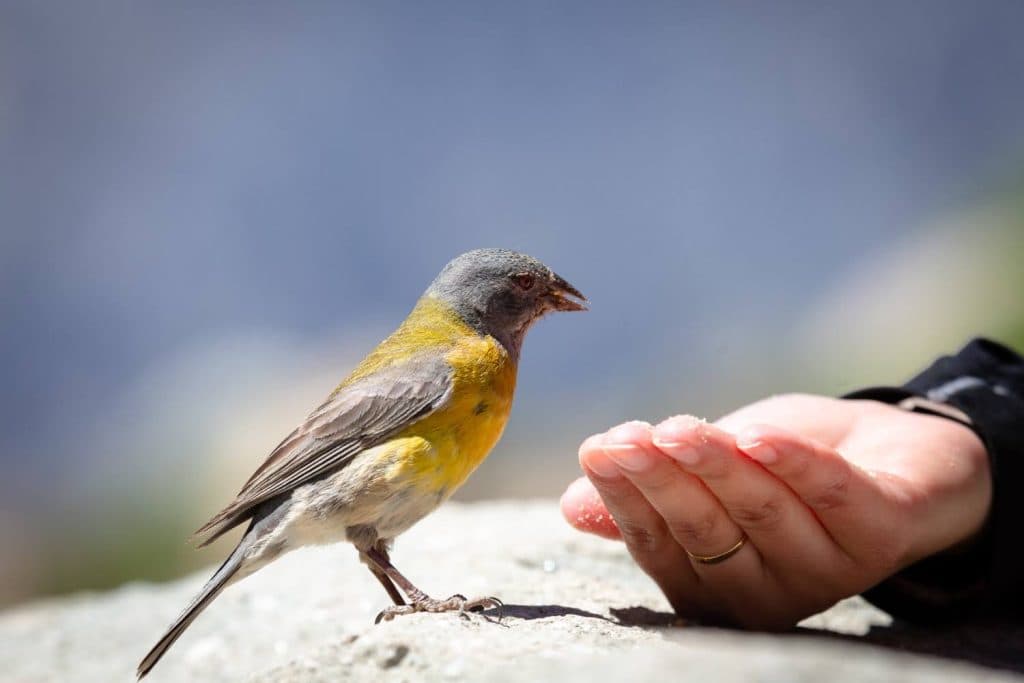
Your Feathered Friend Deserves the Best Care
Taking your bird to the vet for the first time can feel overwhelming — especially when your feathered companion seems perfectly healthy. But here's the thing: birds are masters at hiding illness, and by the time symptoms show, they're often quite sick. Regular veterinary care isn't just recommended; it's essential for catching problems early and keeping your bird thriving for years to come.
In our experience boarding over 1,000 birds at BST, we've seen firsthand how proper veterinary care makes all the difference. Birds with regular checkups tend to be healthier, happier, and better equipped to handle life's stresses — whether that's a boarding stay or just the daily adventures of being a beloved pet.
Why Regular Checkups Matter More Than You Think
Birds have evolved to hide signs of illness as a survival mechanism. In the wild, showing weakness makes them vulnerable to predators. This instinct doesn't disappear in captivity, which means your bird could be developing serious health issues while appearing completely normal to you.
During wellness exams, avian veterinarians can detect subtle changes in weight, heart rate, breathing patterns, and other vital signs that you might miss at home. They can also spot early signs of common conditions like:
- Liver disease
- Kidney problems
- Heart conditions
- Respiratory infections
- Nutritional deficiencies
- Parasites
The good news is that many of these conditions are highly treatable when caught early. Regular checkups give your bird the best chance at a long, healthy life.
Finding the Right Avian Veterinarian
Not all veterinarians are equipped to treat birds properly. While your dog's vet might be wonderful with mammals, birds have unique anatomy, physiology, and medical needs that require specialized knowledge and equipment.
What to Look For
Board-certified avian specialists are your gold standard. These veterinarians have completed additional training specifically in avian medicine and are certified by the American Board of Veterinary Practitioners or equivalent organizations in Canada.
If a board-certified avian specialist isn't available in your area, look for veterinarians who:
- Have extensive experience with birds
- Regularly attend avian medicine continuing education
- Have proper avian examination equipment
- Are comfortable handling different bird species
Questions to Ask When Calling
- How many birds do you see per week?
- Do you have experience with my bird's species?
- What emergency services do you offer?
- Do you have specialized avian equipment (like appropriately-sized blood pressure cuffs)?
Pro Tip: Ask other bird owners in your area for recommendations. Local bird clubs, rescue organizations, and even pet stores often know which veterinarians have the best reputation with birds.
What Happens During a Wellness Exam
Your bird's first vet visit will be comprehensive. Here's what you can typically expect:
Physical Examination
The veterinarian will carefully examine your bird from head to tail, checking:
- Eyes, ears, and nostrils for discharge or abnormalities
- Beak and mouth for overgrowth, lesions, or signs of infection
- Crop (if applicable) for proper emptying
- Chest and abdomen for masses or abnormalities
- Wings and legs for proper function
- Feet for bumblefoot or other issues
- Vent area for cleanliness and normal appearance
Weight and Body Condition Assessment
Your bird will be weighed on a gram scale — this baseline weight is crucial for monitoring health over time. Even small weight changes can be significant in birds.
Diagnostic Tests
Depending on your bird's age, species, and health status, the vet may recommend:
Gram Stain: A quick test of droppings to check for harmful bacteria or yeast Complete Blood Count (CBC): Evaluates red and white blood cells Blood Chemistry Panel: Checks organ function, especially liver and kidneys Chlamydia/Psittacosis Testing: Screens for this common bacterial infection
Behavioral and Husbandry Discussion
Your vet will ask detailed questions about:
- Diet and eating habits
- Housing and environment
- Daily routine and behavior
- Any concerns you've noticed
This conversation is just as important as the physical exam — it helps the vet understand your bird's normal patterns and identify potential issues.
How Often Should Your Bird Visit the Vet?
The frequency of veterinary visits depends on several factors:
Young, Healthy Birds
- Annual wellness exams are the minimum standard
- Some vets recommend twice yearly for smaller species (budgies, cockatiels)
Senior Birds (varies by species)
- Every 6 months is often recommended
- Senior age varies: budgies at 5+ years, larger parrots at 15+ years
Birds with Chronic Conditions
- Every 3-6 months or as recommended by your vet
- May need more frequent monitoring
Important: At BST, we require up-to-date veterinary records for any birds that will be interacting with others during their stay. This helps us ensure the health and safety of all our feathered guests.
Preparing for Your Bird's Vet Visit
Proper preparation makes the visit smoother and less stressful for everyone involved.
The Right Carrier
- Use a secure, well-ventilated carrier
- Make sure it's escape-proof but allows good visibility
- Line the bottom with paper towels (avoid bedding that could hide droppings)
- Bring a familiar perch if the carrier allows
Fasting Requirements
Check with your vet first, but many diagnostic tests require fasting:
- Usually 10-12 hours for blood work
- Remove food the night before morning appointments
- Water should typically remain available
- Never fast birds under 150 grams without specific veterinary guidance
What to Bring
Create a checklist to ensure you don't forget anything important:
- Recent droppings sample (collect the morning of the visit)
- List of questions you want to ask
- Diet information (brand names, amounts, treats)
- Previous medical records if switching vets
- Photos or videos of any concerning behaviors
- Emergency contact information
Reducing Stress
- Keep the car at a comfortable temperature
- Cover the carrier partially to help your bird feel secure
- Speak calmly and reassuringly during transport
- Arrive a few minutes early to avoid rushing
Common Tests and What They Reveal
Understanding the diagnostic tests can help you make informed decisions about your bird's care:
| Test | What It Checks | When It's Recommended |
|---|---|---|
| Gram Stain | Bacterial/yeast infections | Most wellness exams |
| CBC | Infection, anemia, immune system | Annual or when sick |
| Chemistry Panel | Liver, kidney, heart function | Annual for adults |
| Chlamydia Test | Psittacosis infection | New birds, breeding birds |
| Fecal Parasite Exam | Internal parasites | Annual or if symptoms present |
Cost Expectations
Veterinary costs vary significantly by location and the extent of testing needed, but here are general ranges:
- Basic wellness exam: $75-150
- Gram stain: $25-50
- Basic blood work: $100-200
- Comprehensive panel: $200-400
- Specialized testing: $50-200 per test
While these costs might seem high, remember that early detection and prevention are almost always less expensive than treating advanced illness.
Pro Tip: Ask about wellness packages or annual care plans. Many avian vets offer bundled services that can reduce overall costs while ensuring comprehensive care.
Final Thoughts
Your bird's first vet visit sets the foundation for a lifetime of good health. While it might feel stressful initially, establishing a relationship with a qualified avian veterinarian is one of the best investments you can make in your feathered friend's wellbeing.
Remember, you know your bird better than anyone. Trust your instincts — if something seems off, don't hesitate to call your vet. Birds can decline quickly, and early intervention often makes all the difference.
The peace of mind that comes from knowing your bird is healthy and up-to-date on preventive care is invaluable. Whether you're planning a vacation and need boarding services, or simply want to ensure your companion lives their best life, regular veterinary care is the cornerstone of responsible bird ownership.
Explore related topics
Related Articles
Aspergillosis in Birds: The Invisible Fungal Killer
Aspergillosis is one of the most common and deadly avian diseases. It's caused by a fungus that's everywhere in our environment.
The Avian First Aid Kit: 25 Essential Supplies Every Bird Owner Needs
When an emergency happens, you need supplies ready NOW. Here's what every bird owner should have on hand.
Bird Insurance: Is It Worth It? A Complete Guide to Avian Pet Insurance
A single emergency vet visit can cost $2000+. Pet insurance for birds exists — here's whether it's worth the premium.