Amazon Parrot Care Guide: Housing, Routine & Lifelong Commitment
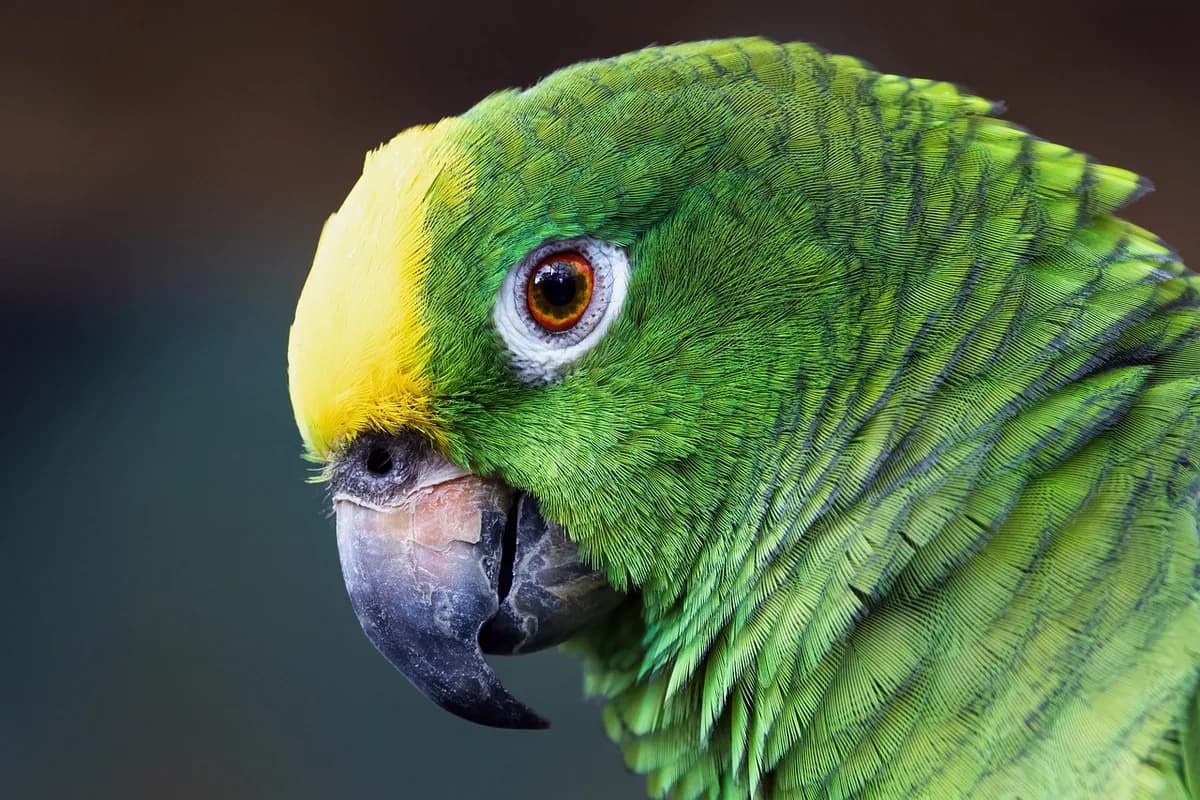
If you have ever heard a bird belt out an aria across a room and then dissolve into a fit of chuckles, you have met the spirit of an Amazon parrot. Loud, confident, and endlessly entertaining, Amazons (genus Amazona) are among the most characterful parrots you can share a home with. This guide is the hub for their care — who they are, how to house them well, and what a good day looks like — with the deeper details of diet, health, behavior, and training linked out to their own articles.
Who the Amazon Parrot Is — and Who It Suits
Amazons come from Central and South America and the Caribbean, and they carry that tropical exuberance into the living room. Most pet species run 25 to 45 cm (10 to 18 in) long and weigh anywhere from 250 to 700 g depending on the species, from the compact White-fronted to the substantial Double Yellow-Headed. They are bold, opinionated, and famously vocal, and the best talkers among them — the Double Yellow-Headed and Yellow-Naped Amazons — rival African greys for clarity and are unmatched for sheer operatic volume.
This is not a beginner's bird, and it is not a quiet one. On a noise scale of one to five, Amazons earn a solid four: expect enthusiastic dawn and dusk "flock calls" that carry through walls. They are an advanced-level parrot because their moods are big and their body language demands respect — the well-known "Amazon overload," where an excited bird flips from delight to a bite in seconds, is something every owner must learn to read.
The commitment is measured in decades, not years. A well-cared-for Amazon can live 40 to 70 years, which means this bird may outlive you or need a place in your will. They suit a patient, present household that enjoys a big personality, can tolerate real noise, and is ready for a genuine relationship rather than a decorative pet.
Tip: Before bringing an Amazon home, line up an avian veterinarian. In the Greater Toronto Area, look for a clinic with a certified or experienced avian vet rather than a general small-animal practice — you will want that relationship in place before the first sign of trouble.
Housing: Space, Bars, and Placement
Amazons are stocky, muscular birds that climb and clamber more than they flit, but they still need room to fully stretch and flap without hitting the bars. Treat the numbers below as minimums, not targets — bigger is always better.
| Feature | Recommendation |
|---|---|
| Minimum cage size | 90 x 60 x 90 cm (36 x 24 x 36 in); larger species and active birds need more |
| Bar spacing | 2 to 2.5 cm (3/4 to 1 in) |
| Bar orientation | Horizontal bars on at least two sides for climbing |
| Cage shape | Rectangular — never round; corners give a bird security |
| Material | Powder-coated or stainless steel; avoid zinc and lead (toxic) |
Choose a rectangular cage with a wide footprint over a tall, narrow one; horizontal space beats height for a climbing bird. Round cages are a poor choice — they leave a bird with no corner to retreat to and can disorient them.
Perches are where foot health is won or lost. Provide a variety of natural wood perches — manzanita, java, or clean apple and willow branches — in different diameters so the feet flex and grip differently through the day. Skip perches that are all one uniform dowel size; unchanging pressure points invite pressure sores. A cement or mineral perch positioned as one option (never the highest, favorite perch) helps keep nails and beak in trim.
Placement matters as much as the cage itself. Put the cage in a social room where the family gathers, against a wall so one side feels secure, and out of the direct line of drafts, kitchen fumes, and harsh sun. Keep it well away from the kitchen — the fumes from overheated non-stick (PTFE/Teflon) cookware can kill a bird within minutes. Aim for a comfortable room temperature in the range of about 18 to 27 C (65 to 80 F); Amazons tolerate normal household temperatures well but dislike sudden swings and cold drafts.
Warning: Toronto's winters bring bone-dry indoor air once the heating comes on. Very low humidity stresses a tropical bird's respiratory system and skin. A room humidity of roughly 40 to 60 percent, helped by a humidifier and regular bathing, keeps feathers and airways healthy through the cold months.
A Daily Care Routine
Amazons thrive on predictability. A loose but consistent rhythm keeps them settled and cuts down on screaming for attention.
- Morning: Uncover the cage, greet your bird, and serve fresh chopped vegetables and pellets. Change and refill water. Amazons are enthusiastic morning singers — let them have their moment.
- Daytime: Provide foraging toys and rotate enrichment so the cage is not the same puzzle every day. Out-of-cage time on a play stand, supervised, is ideal whenever you are home.
- Evening: The main social block. Aim for a few hours of genuine interaction — talking, training, shared quiet time. Remove fresh food before it spoils.
- Night: Cover the cage and give 10 to 12 hours of dark, quiet, uninterrupted sleep. Amazons that are short on sleep get cranky, loud, and hormonal.
Weekly, do a proper cage deep-clean, wash dishes daily, and weigh your bird on a gram scale to catch problems early. Track that weight — it is the single most useful home health number you have.
Diet, Health, Behavior, and Enrichment — the Short Version
Each of these deserves its own read, so here is the overview with pointers to the deep dives.
Diet. Amazons are strongly obesity-prone, so a low-fat, pellet-based diet is non-negotiable. Build the plate around a quality formulated pellet at roughly 75 to 80 percent of intake, with 20 to 25 percent fresh vegetable-forward foods, and reserve seeds and nuts as about 5 percent — occasional treats, not staples. Vitamin A matters especially for this species. Full details, safe and toxic food lists, and how to convert a seed junkie are in the Diet and Nutrition guide.
Health. The conditions that shorten Amazon lives are largely diet- and lifestyle-driven: obesity and fatty liver disease, atherosclerosis and heart disease in overweight birds, vitamin A deficiency, and respiratory illness. Annual wellness exams with an avian vet catch these early. See Common Health Issues for signs, prevention, and emergencies.
Behavior. Learn the arousal signals — pinning eyes, a fanned tail, raised nape feathers — that warn of "Amazon overload," and respect the strong seasonal (often spring) hormonal swings. The Behavior and Body Language guide decodes every signal.
Socialization and enrichment. Amazons are intelligent and social; they need daily interaction and a job to do. Foraging toys, destructible wood, and positive-reinforcement training keep that busy mind out of trouble. Start with the Training Tips guide to build trust and channel the energy.
At Bird Sitting Toronto, where we board hundreds of birds every year, the Amazons are unforgettable — the singers, the clowns, the ones with opinions. Give this bird the space, the routine, and the respect it asks for, and you will have a brilliant companion for the better part of a lifetime.
Explore related topics
Related Articles
Best Talking Parrot Species Ranked: From Chatterbox to Silent Type
Which parrots actually talk? Here's an honest ranking with realistic expectations for each species.
Bourke's Parakeet: The Complete Care Guide for This Gentle Species
Bourke's parakeets are the calmest, quietest parrots you'll ever meet. Perfect for beginners and apartments.
Lineolated Parakeet: The Complete Care Guide for Linnies
Lineolated parakeets (linnies) are quirky, quiet, and surprisingly cuddly. Here's everything you need to know.