Common Amazon Parrot Health Issues: Obesity, Heart Disease & Prevention
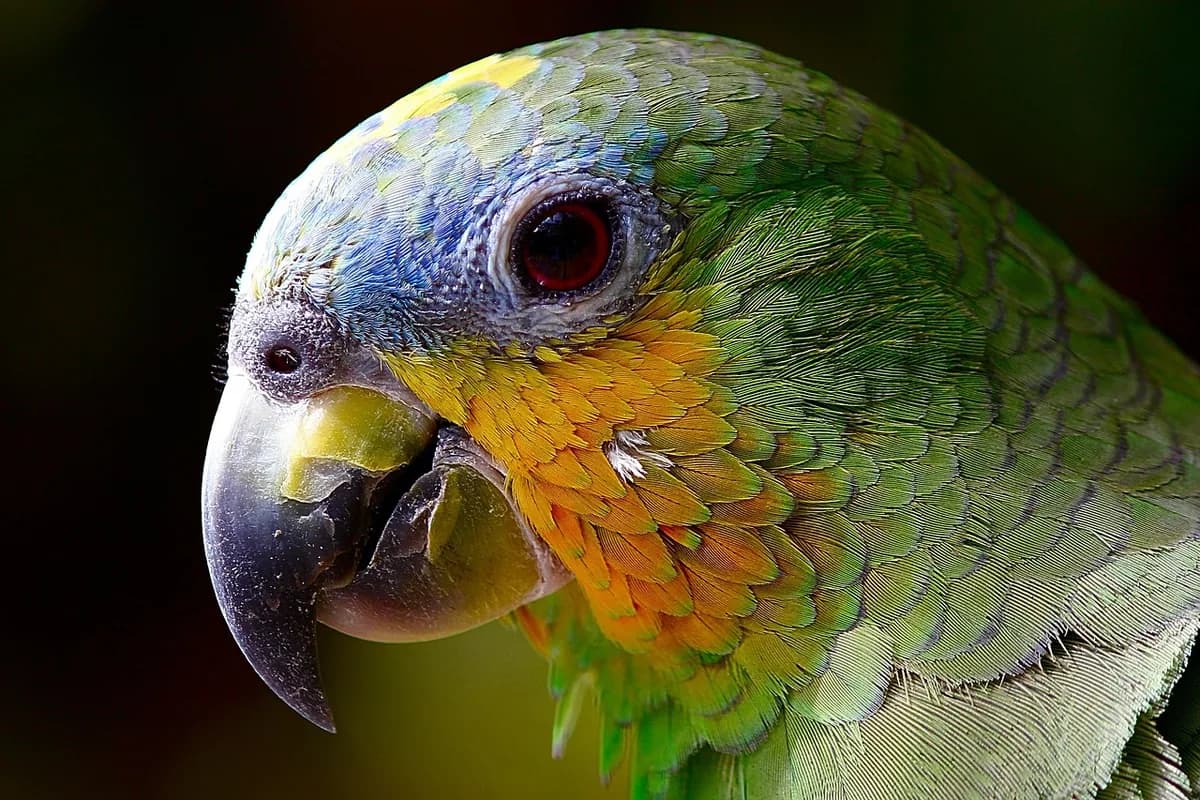
Amazon parrots are hardy, long-lived birds — 40 to 70 years with good care — but the illnesses that cut those lives short are remarkably predictable, and most are preventable. Nearly all of them trace back to diet, weight, and air quality. Learn the handful of conditions this species is genuinely prone to, learn the quiet signs of a sick bird, and build a relationship with an avian vet, and you tilt the odds heavily in your bird's favor.
The Conditions Amazons Are Actually Prone To
Obesity and Fatty Liver Disease
This is the defining health risk of the species. Amazons gain weight easily, and a fatty seed-and-nut diet combined with limited flight leads to obesity and, in turn, hepatic lipidosis — fatty liver disease — where fat infiltrates and impairs the liver. Warning signs include a visibly heavy or "keel-buried-in-fat" body, poor feather quality, an overgrown or flaky beak (a sign the liver is struggling), and lethargy. Prevention is entirely in your hands: a low-fat, pellet-based diet, strictly limited nuts, plenty of vegetables, and opportunities to move and climb. Weekly weigh-ins on a gram scale are your early-warning system.
Atherosclerosis and Cardiovascular Disease
Overweight Amazons are prone to atherosclerosis — hardening and narrowing of the arteries — and other heart disease, one of the leading causes of sudden death in older parrots of this genus. It often develops silently. A bird may show exercise intolerance, breathlessness after mild activity, or occasional fainting, but frequently the first sign is a collapse. The prevention is the same lever as obesity: keep the bird lean, keep dietary fat low, and keep it active. This is the strongest argument there is for feeding an Amazon properly from day one.
Vitamin A Deficiency (Hypovitaminosis A)
Seed diets are chronically short on vitamin A, and Amazons on them commonly develop deficiency. It weakens the lining of the mouth, sinuses, and airways, showing up as white plaques or abscesses in the mouth, blunted or blocked choanal papillae, recurring respiratory infections, sneezing, and poor feather color. The fix is dietary, not a supplement bottle: dark leafy greens and orange vegetables — sweet potato, carrot, red pepper, kale — supply the vitamin A precursors an Amazon needs. Avoid over-supplementing with synthetic vitamin A, which can itself cause harm.
Respiratory Disease
Birds have extraordinarily efficient, sensitive respiratory systems, which makes them the proverbial canary in the coal mine for airborne toxins. Amazons are susceptible to both infectious respiratory disease and irritation from household fumes. Watch for nasal discharge, sneezing, a change in voice, tail bobbing with each breath, open-mouth breathing, or wheezing. Prevention means clean air: never use non-stick (PTFE/Teflon) cookware or self-cleaning ovens near a bird, skip scented candles, air fresheners, and aerosol sprays, don't smoke indoors, and keep humidity reasonable during dry Toronto winters.
Psittacosis (Parrot Fever)
Caused by the bacterium Chlamydia psittaci, psittacosis is a real concern in parrots and is zoonotic — it can spread to people. Signs include lethargy, ruffled feathers, green or yellow droppings, nasal and eye discharge, and appetite loss. It is treatable with the right antibiotics under veterinary care. Prevention: quarantine any new bird for at least 30 days, keep the environment clean, and see a vet promptly if these signs appear.
Warning: Because psittacosis can infect humans — causing flu-like illness or pneumonia — tell your own physician you keep a parrot if you develop a persistent respiratory illness, and see your avian vet if your bird shows the signs above. It is uncommon and treatable, but worth taking seriously.
Feather-Destructive Behavior
Amazons pluck less habitually than some cockatoos and greys, but it happens, and it can be medical or behavioral. Always rule out medical causes first — skin infection, giardia or other parasites, allergy, poor nutrition, or hormonal drivers — with an avian vet before assuming it is purely behavioral. On the environmental side, ensure real enrichment, social time, proper humidity, and 10 to 12 hours of dark, uninterrupted sleep.
The Signs of a Sick Bird
Birds are prey animals and instinctively hide illness until they are quite unwell — a bird that "suddenly" looks sick has often been compensating for days. Learn what normal looks like for your Amazon so you can spot the drift. General signs of illness include:
- Fluffed, puffed-up posture for long stretches, or persistent lethargy
- Sitting low, tail bobbing with each breath, or any breathing effort
- Loss of appetite or a drop in droppings (fewer droppings means not eating)
- A change in droppings — color, consistency, or volume — that persists
- Sleeping much more than usual, or sleeping on two feet with a fluffed body during the day
- Weight loss on the gram scale (often the earliest measurable sign)
- Discharge from eyes or nostrils, or crusting around them
Wellness Exams and Preventive Care
Every Amazon should see an avian veterinarian at least once a year — twice for older birds — even when it seems perfectly healthy. A wellness exam typically includes a full physical, a weight check tracked over time, and often baseline bloodwork, which is especially valuable for a long-lived, disease-prone species because it catches liver and other trends before symptoms appear. In the Greater Toronto Area, seek out a clinic with genuine avian expertise rather than a general small-animal vet.
Your at-home preventive routine:
- Annual (or twice-yearly, senior) avian wellness exam with periodic bloodwork
- A low-fat, pellet-based, vegetable-forward diet — the master lever for this species
- A weekly gram-scale weigh-in, logged so you can see trends
- Clean air: no PTFE fumes, aerosols, scented products, or smoke
- Humidity around 40 to 60 percent, especially in heated winter months
- 10 to 12 hours of dark, quiet sleep every night
- Daily out-of-cage movement and climbing to keep the bird lean and the heart working
When It Is an Emergency
Some situations cannot wait for a regular appointment. Call an avian or emergency vet immediately if your Amazon shows any of these:
- Sitting on the floor of the cage, unable or unwilling to perch
- Labored breathing, tail bobbing, or open-mouth breathing at rest
- Bleeding from anywhere, including a broken blood feather
- Seizures, loss of balance, or collapse
- Complete refusal of food for more than about 12 hours
- Sudden swelling, a distended belly, or straining
- Known ingestion of a toxic food or substance
A Brief Home First-Aid Note
Home first aid buys time on the way to the vet — it is never a substitute for one. Keep a basic kit: styptic powder or cornstarch for a bleeding nail or beak tip (never on skin wounds), clean gauze, and a small towel for gentle restraint. For a broken blood feather that is bleeding, apply gentle pressure with cornstarch; if it will not stop, the feather may need to be pulled by a vet. Keep a sick or injured bird warm (around 29 to 30 C / 85 F), quiet, and low-stress in a small covered enclosure, and get to the clinic. Because Amazons mask illness so well, err toward calling — with birds, a call an hour too early is far better than one an hour too late.
At Bird Sitting Toronto, where we board hundreds of birds every year, the healthiest, longest-lived Amazons we meet share the same story: lean bodies, pellet-based diets, clean air, and owners who caught the small changes early. That is the whole game with this species.
Explore related topics
Related Articles
Aspergillosis in Birds: The Invisible Fungal Killer
Aspergillosis is one of the most common and deadly avian diseases. It's caused by a fungus that's everywhere in our environment.
The Avian First Aid Kit: 25 Essential Supplies Every Bird Owner Needs
When an emergency happens, you need supplies ready NOW. Here's what every bird owner should have on hand.
Bird Insurance: Is It Worth It? A Complete Guide to Avian Pet Insurance
A single emergency vet visit can cost $2000+. Pet insurance for birds exists — here's whether it's worth the premium.