Common Health Issues in Congo African Grey and How to Prevent Them
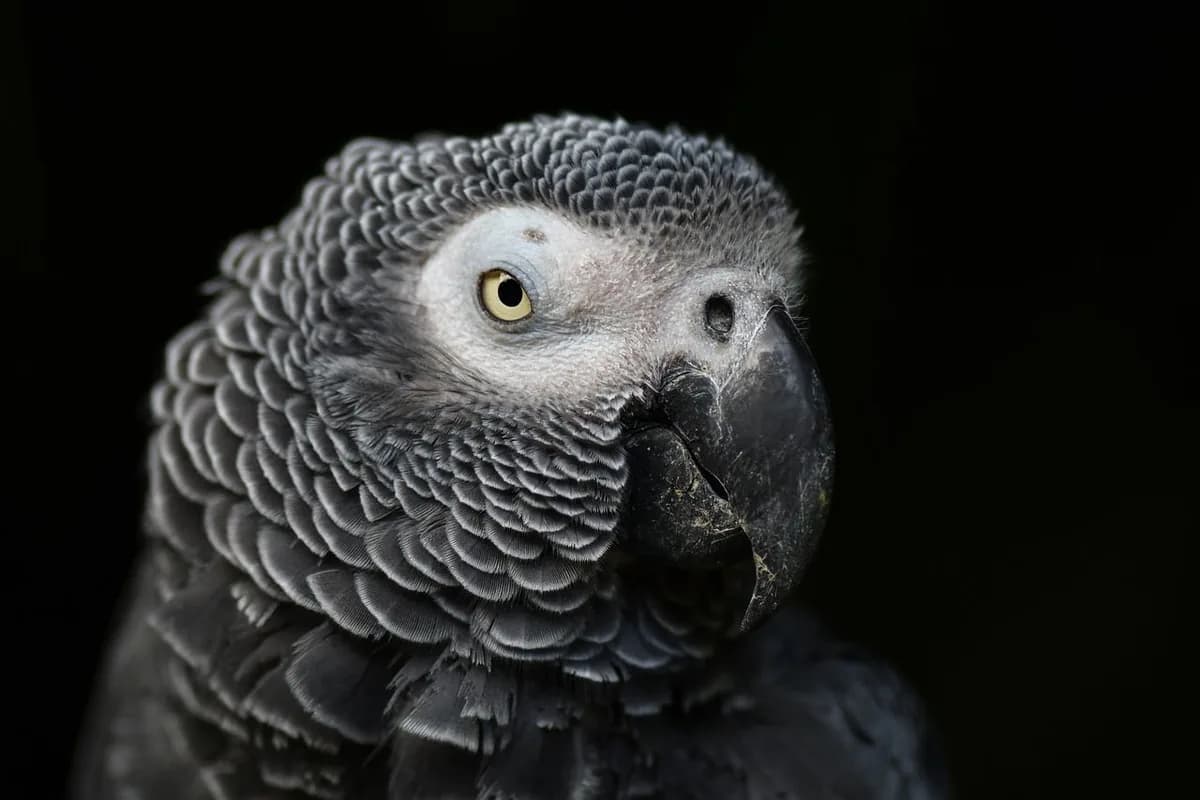
African Greys are hardy in many ways, but they carry a handful of species-specific health risks that every owner needs to recognize on sight. Because a Grey can live 40 to 60 years, the small habits you build — a good diet, clean air, real sleep, and a relationship with an avian vet — compound into decades of health or decades of trouble. Just as importantly, birds are prey animals that instinctively hide illness until they are seriously unwell, so a Grey that "suddenly" looks sick has often been compensating for days. Learning the signals is not optional.
The Signs of a Sick Bird
Any of these warrants close attention and usually a vet call:
- Sitting fluffed and still at the bottom of the cage
- Tail-bobbing with each breath, or open-mouth breathing
- Sleeping far more than usual, or perching with both feet and eyes closed during the day
- A drop in appetite or a change in droppings (colour, volume, consistency)
- Weight loss on the gram scale, even while the bird looks normal
- Discharge from the eyes, nostrils, or a change in voice
- Any change in feather quality or new bald patches
Tip: A gram scale is the cheapest diagnostic tool you own. Weigh your Grey at the same time each week (a healthy adult sits somewhere in the 400–650 g range). A steady 5–10% drop is often the first objective sign of illness — before any outward symptom appears.
Hypocalcaemia and Seizures — the Grey's Signature Risk
This is the condition that most distinguishes the African Grey. Greys are genuinely prone to hypocalcaemia — low blood calcium — more so than most parrots, and Congo Greys in particular can suffer calcium-deficiency seizures. Signs range from weakness, unsteadiness, and clenched or trembling feet to full seizures and loss of balance.
The root cause is usually dietary: an all-seed diet low in calcium, combined with too little vitamin D (indoor birds behind glass make almost none), so the calcium that is eaten can't be absorbed.
Prevention: a pellet-based diet, calcium-rich leafy greens, and real vitamin D from unfiltered sunlight or an avian UVB lamp. If you see any tremor, wobble, or seizure, treat it as an emergency — see the vet the same day, as low calcium is measurable with a blood test and treatable. (Our diet guide covers the calcium-and-D partnership in detail.)
Feather-Destructive Behaviour
African Greys are one of the most feather-plucking-prone species in aviculture. A bird that chews, snaps, or pulls its own feathers — typically on the chest, legs, and under the wings, where the beak can reach — needs a proper workup, because the causes split two ways:
- Medical: infections, PBFD, skin disease, low vitamin A, allergies, or internal illness. These must be ruled out first.
- Behavioural/environmental: stress, boredom, poor sleep, low humidity, loneliness, or the upheaval this sensitive species reacts to so strongly.
Prevention and management: abundant foraging and enrichment, stable routine, 10–12 hours of dark sleep, humidity kept at 40–60%, and a vet exam to exclude disease before assuming it's behavioural. Plucking is far easier to prevent than to reverse once it becomes a habit.
Aspergillosis
Aspergillus is a common environmental mould, and African Greys are considered especially susceptible to the respiratory infection it causes. It often takes hold in birds that are stressed, on a vitamin-A-poor diet, or kept in damp, poorly ventilated, or dusty conditions. Signs — a changed or lost voice, laboured breathing, tail-bobbing, exercise intolerance, and general decline — can be subtle and slow.
Prevention: good ventilation, scrupulous cage and food-dish hygiene, avoiding damp bedding and mouldy food, an adequate vitamin-A diet, and minimizing chronic stress. Aspergillosis is notoriously hard to treat once established, so prevention is everything.
PBFD (Psittacine Beak and Feather Disease)
PBFD is a viral disease that damages feathers, beak, and the immune system, causing abnormal, deformed, or lost feathers and, in some birds, beak lesions. It is contagious among psittacines and can be tested for with a blood test.
Prevention: buy only from reputable sources, and quarantine any new bird for at least 30–45 days away from your Grey before they share air space, with a vet check during that window.
Nutritional Deficiencies (Vitamin A and D)
Seed-based diets leave Greys chronically short on vitamin A (contributing to respiratory and skin problems and predisposing to infection) and vitamin D (which, with calcium, sets up the hypocalcaemia above). Signs of deficiency include dull, poor-quality feathers, a flaky or overgrown beak, recurrent respiratory issues, and general poor thriving.
Prevention: a formulated pellet base plus vitamin-A-rich orange and dark-green vegetables, and genuine UV exposure. Don't self-prescribe vitamin supplements — over-supplementing vitamins A and D is itself harmful; let a vet guide it.
Respiratory Disease and Airborne Toxins
Greys have highly efficient, highly exposed respiratory systems, which makes them extraordinarily sensitive to airborne fumes and particles. Overheated non-stick (PTFE/Teflon) cookware, self-cleaning ovens, scented candles, aerosols, air fresheners, incense, and smoke can cause sudden death or chronic disease.
Prevention: run a bird-safe, fragrance-free kitchen and home, keep the bird well away from cooking, and consider a HEPA air purifier near the cage — this also helps manage the fine feather dust Greys naturally produce.
Psittacosis (Parrot Fever)
Caused by Chlamydia psittaci, psittacosis is a bacterial infection that can also infect humans. Signs include lethargy, fluffed feathers, green or yellow droppings, nasal and eye discharge, and appetite loss.
Prevention: routine vet care, a clean environment, and quarantine of new birds. It is treatable when caught, so don't delay a vet visit if you suspect it.
Wellness Care and Prevention Checklist
Every African Grey should see an avian veterinarian at least once a year — twice for older birds — for a physical exam, weight check, and baseline or annual bloodwork. In the Greater Toronto Area, seek out a certified avian vet rather than a general small-animal clinic; a bird-experienced vet will catch Grey-specific issues a generalist may miss.
- Annual (or twice-yearly, for seniors) avian vet wellness exam with bloodwork
- Pellet-based diet with calcium-rich greens and vitamin-A vegetables
- Real vitamin D from unfiltered sunlight or an avian UVB lamp
- Weekly weight on a gram scale, logged
- 10–12 hours of dark, quiet, uninterrupted sleep
- Humidity kept at 40–60% (a humidifier helps in a dry Toronto winter)
- A fragrance-free, PTFE-free home; HEPA purifier near the cage
- 30–45-day quarantine and a vet check for any new bird
When It's an Emergency
Call your avian vet — or an emergency exotic clinic — immediately if you see:
- A seizure, tremor, or sudden loss of balance
- Laboured breathing, tail-bobbing, or open-mouth breathing at rest
- Bleeding from anywhere, including a broken blood feather
- Sitting on the cage floor, unable or unwilling to perch
- Complete refusal of food for more than 12 hours
- Sudden swelling, a distended abdomen, or straining
- Fluffed, unresponsive, and cold to the touch
Warning: A bird in genuine distress declines fast. When in doubt, go — an unnecessary vet visit is far cheaper than a lost Grey. Have your nearest avian and after-hours exotic clinic numbers saved before you ever need them.
A Brief First-Aid Note
Keep a small avian kit: styptic powder or cornstarch (to stop a bleeding nail or broken blood feather), clean gauze, a towel for gentle restraint, and a small travel carrier ready to go. Keep an unwell bird warm (around 29–30°C / 85°F), quiet, and dark while you arrange transport. First aid buys minutes — it is not a substitute for the avian vet, and every serious sign above still means a same-day call.
Explore related topics
Related Articles
Aspergillosis in Birds: The Invisible Fungal Killer
Aspergillosis is one of the most common and deadly avian diseases. It's caused by a fungus that's everywhere in our environment.
The Avian First Aid Kit: 25 Essential Supplies Every Bird Owner Needs
When an emergency happens, you need supplies ready NOW. Here's what every bird owner should have on hand.
Bird Insurance: Is It Worth It? A Complete Guide to Avian Pet Insurance
A single emergency vet visit can cost $2000+. Pet insurance for birds exists — here's whether it's worth the premium.