When to Rehome Your Parrot: A Compassionate Guide for Difficult Decisions
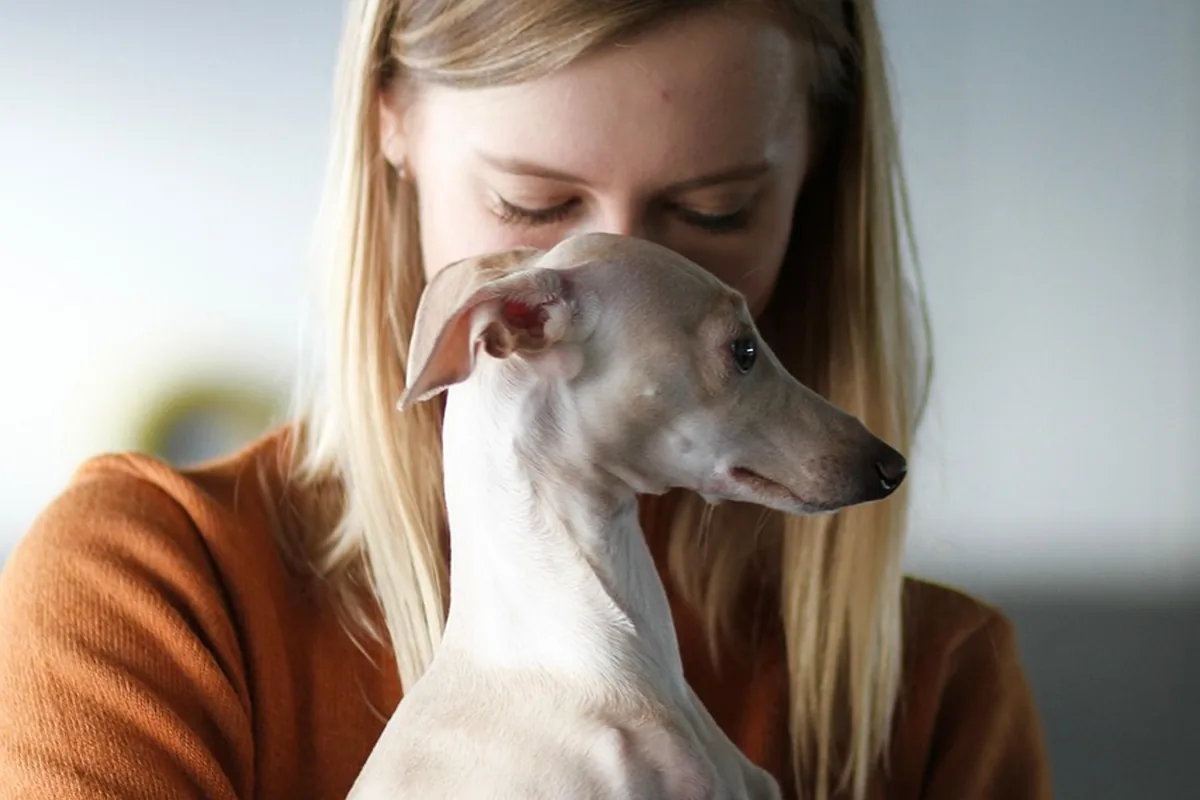
Making One of the Hardest Decisions as a Bird Parent
Few topics are more emotionally charged in the bird community than rehoming. The very thought of parting with your feathered companion can bring up feelings of guilt, failure, and heartbreak. But here's the thing — sometimes rehoming is the most loving thing you can do for your bird.
In our experience boarding over 1,000 birds at Bird Sitting Toronto, we've seen families face this difficult decision for countless reasons. Some are absolutely valid and necessary for everyone's wellbeing. Others might have solutions you haven't considered yet. Let's walk through this together with honesty, compassion, and practical guidance.
When Rehoming Is the Right Choice
Sometimes, despite our best intentions and deepest love, circumstances make it impossible to provide the care our birds need and deserve. Recognizing these situations isn't giving up — it's being responsible.
Health and Safety Concerns
Severe allergies top the list of legitimate reasons for rehoming. If you or a family member develops serious respiratory issues, chronic skin reactions, or other health problems directly linked to your bird, your health must come first. We've seen families struggle with this for months, trying air purifiers and medications, only to realize that their bird deserves a home where they can thrive without causing suffering.
Safety concerns with young children represent another serious consideration. While many families successfully raise children alongside parrots, some birds become territorial or aggressive around small children in ways that training cannot resolve. If your bird consistently shows aggression toward a child, or if a child has been seriously injured, rehoming may be the safest option for everyone involved.
Major Life Changes
Life sometimes throws curveballs that fundamentally change our ability to care for our birds properly:
- Permanent relocation to areas where birds aren't permitted (some rental properties, assisted living facilities, or countries with strict import restrictions)
- Severe illness or disability that makes daily bird care impossible
- Job loss or financial crisis so severe that you cannot afford basic veterinary care, proper diet, or housing
- Divorce or separation where neither party can adequately care for the bird alone
Inability to Provide Adequate Care
This is perhaps the hardest category to face honestly. Sometimes we realize that we cannot meet our bird's complex needs:
- Time constraints that leave your bird alone for 12+ hours daily with no enrichment
- Lack of avian veterinary access in your area, with no ability to travel for care
- Housing situations that don't allow for proper flight, socialization, or noise levels
- Knowledge gaps that persist despite your best efforts to learn
Important: Recognizing your limitations isn't failure — it's wisdom. Your bird deserves someone who can meet their needs fully.
When to Try Harder Before Rehoming
Before you make the final decision, let's explore whether your challenges might have solutions you haven't discovered yet.
Behavioral Issues (Usually Fixable)
Most behavioral problems in parrots stem from unmet needs, not inherent "badness." We see this constantly at BST — birds labeled as "aggressive" or "untrainable" who blossom with the right approach.
Common fixable issues include:
- Screaming (often attention-seeking or boredom-related)
- Biting (usually fear or territorial behavior)
- Feather plucking (medical or environmental causes)
- Destructiveness (natural behavior needing proper outlets)
Consider consulting with an avian behaviorist or certified bird trainer before giving up. Many issues that seem insurmountable have straightforward solutions.
Financial Strain
Bird ownership is expensive, but resources exist to help during tough times:
- Veterinary payment plans offered by many avian vets
- Pet insurance (though pre-existing conditions aren't covered)
- Community assistance programs through local bird clubs or rescues
- Fundraising through social media for emergency medical care
- Temporary fostering during financial recovery
New Baby in the Family
Many families successfully integrate babies and birds. With proper precautions — supervised interactions, maintaining routines, and ensuring your bird's continued socialization — this transition often works beautifully. Consider reaching out to other bird-owning parents for support and strategies.
How to Rehome Responsibly
If you've determined that rehoming is truly necessary, doing it right protects both your bird and future adopters.
Best Rehoming Options
Avian rescue organizations should be your first choice. These groups:
- Screen potential adopters thoroughly
- Provide ongoing support and education
- Often accept birds back if new homes don't work out
- Understand species-specific needs
Trusted individuals with bird experience can work if you know them well. This might include:
- Fellow bird club members you've known for years
- Friends or family with demonstrated bird knowledge
- Your avian veterinarian's recommendations
What to Avoid
Warning: Never use Kijiji, Craigslist, or similar platforms. These attract impulse buyers, people seeking "free" birds for breeding or resale, and those unprepared for long-term commitment.
Red flags in potential adopters:
- Want the bird immediately without meeting first
- Show little interest in your bird's history, diet, or needs
- Cannot provide references or veterinary history for current pets
- Seem focused on the bird's monetary value
- Plan to keep the bird in inappropriate housing
The Screening Process
Responsible rehoming includes:
Home visits to see where your bird will live Reference checks with veterinarians and previous pet ownership Meet-and-greet sessions between your bird and potential adopters Trial periods when possible, to ensure compatibility Written agreements outlining expectations and return policies
What to Provide the New Owner
Help your bird transition successfully by providing:
Essential Information
- Complete medical history and veterinary records
- Detailed diet preferences and feeding schedule
- Behavioral quirks, likes, and dislikes
- Training commands and techniques that work
- Daily routine your bird is accustomed to
Physical Items
- Favorite toys and perches
- Current food supply to avoid sudden diet changes
- Cage and accessories (if keeping would be impractical)
- Any medications or supplements
Ongoing Support
Offer to be available for questions during the transition period. Your bird's adjustment will be smoother if their new family can consult with you about their preferences and personality.
Understanding the Emotional Impact
On Your Bird
Birds form strong bonds and experience grief. Your parrot may go through an adjustment period involving:
- Changes in appetite or sleep patterns
- Increased vocalization or unusual quietness
- Temporary regression in training
- Stress behaviors like feather picking
The good news is that birds are remarkably adaptable. With patient, consistent care from their new family, most birds adjust within weeks to months.
On You
Expect to grieve. You're losing a family member, regardless of the circumstances. Allow yourself to feel sad while also recognizing that you made a difficult but loving decision. Many bird parents find comfort in staying updated on their bird's progress in their new home.
BST's Rehoming Assistance
At Bird Sitting Toronto, we understand how overwhelming the rehoming process can feel. That's why we created our rehoming assistance service at rehoming.birdsittingtoronto.ca.
Our team helps by:
- Connecting you with reputable rescue organizations
- Screening potential adopters when private rehoming is preferred
- Providing temporary boarding during the transition process
- Offering guidance on preparing your bird for their new home
- Supporting both you and the new family during the adjustment period
We've helped dozens of families through this process, ensuring birds find loving, permanent homes while supporting owners through one of the most difficult decisions they'll ever make.
Final Thoughts
Rehoming your parrot doesn't make you a bad bird parent. Sometimes it makes you the most loving one possible. The key is being honest about your situation, exhausting appropriate alternatives, and prioritizing your bird's long-term wellbeing over short-term emotional difficulty.
Remember that a bird living in a home where their needs cannot be met — whether due to health issues, lifestyle changes, or resource limitations — isn't truly thriving. By finding them a family who can provide everything they need, you're giving them the gift of a full, enriched life.
If you're facing this decision, know that you're not alone. Reach out for support, take time to make the right choice, and trust that love sometimes means letting go.
Explore related topics
Related Articles
How to Help a Feather-Plucking Parrot: Causes, Solutions, and Hope
Feather plucking breaks owners' hearts. It's complex but treatable. Here's what you need to know.
Learned Helplessness in Captive Parrots: The Silent Crisis
A parrot that sits quietly, never plays, and shows no interest in anything isn't well-behaved — they've given up.
Parrot Depression: Signs Your Bird Is Unhappy and How to Help
Parrots can become genuinely depressed. Recognizing it early and taking action can save your bird's mental and physical health.