Recall Training: Teaching Your Bird to Come When Called
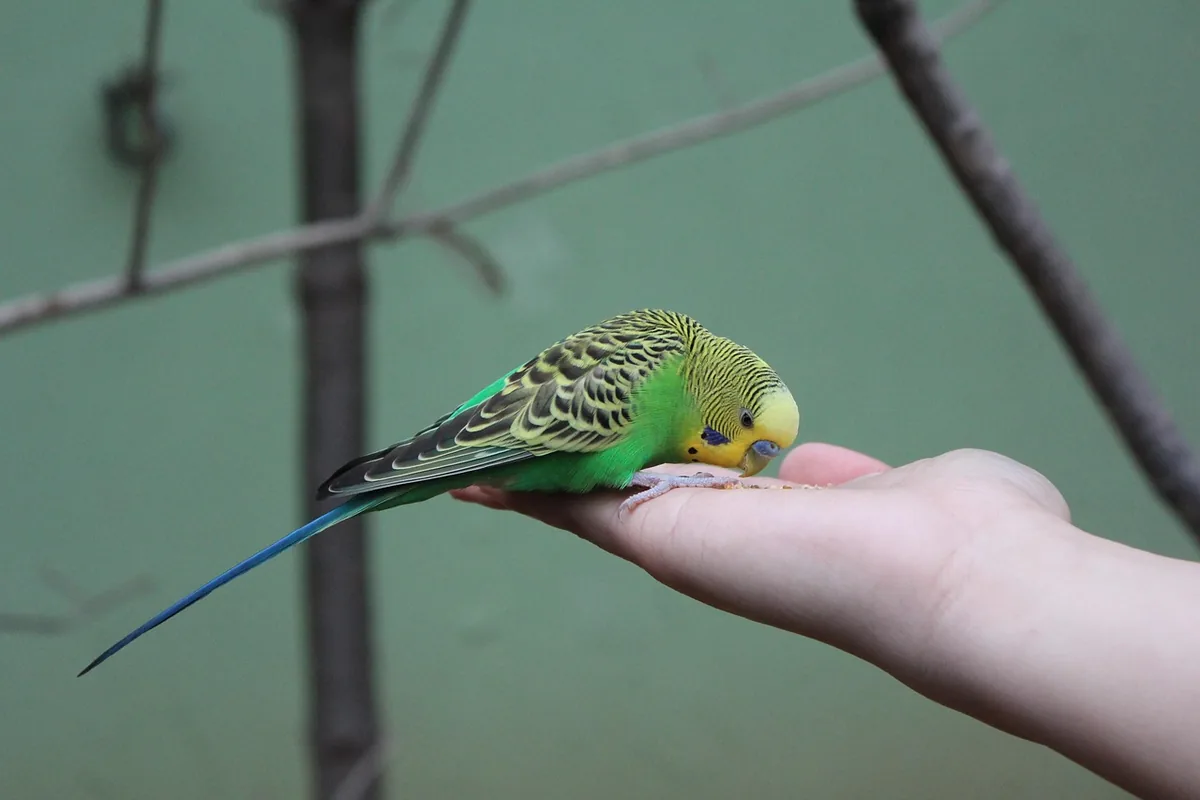
Recall training teaches your bird to fly or walk to you on command. This is not just a fun trick — it's a genuine safety skill. A reliable recall can head off an escape, coax a startled bird down from a curtain rod, and give you a calm, cooperative way to reunite when something goes wrong.
At Bird Sitting Toronto, where we board hundreds of birds every year, the ones who settle in fastest are almost always the ones who already have a rock-solid recall. A bird that flies happily to a hand has learned that hands are a good place to be — and that trust travels with them everywhere.
Why Recall Matters
Most bird owners think of recall as a party trick, but it earns its keep in the moments you least expect. A door left open by a delivery person, a spooked flight across the room, a bird clinging to a high shelf you can't reach — in each case, a bird who reliably comes when called is far safer than one who doesn't. Even fully flighted birds benefit, because recall gives you a positive, non-chasing way to bring your bird back to you.
Just as importantly, recall is relationship-building. Every rep is a tiny promise kept: come to me and something wonderful happens. That's the same logic avian veterinarians and behaviour consultants describe as positive reinforcement — building behaviours you want by pairing them with rewards the bird genuinely values, never with force or fear.
Prerequisites
Before you start, your bird should already have a few foundations in place:
- A reliable step-up. Your bird steps calmly onto your hand or a perch when asked. Recall is essentially step-up performed across a distance.
- Comfort being out of the cage with you. A bird that's tense or flighty on the outside of the cage isn't ready to learn a new game yet. Spend time simply hanging out first.
- High-value treats. Recall training needs your bird's very best rewards — not their everyday pellet. More on that below.
Tip: Train just before a mealtime, when your bird is a little hungry and motivated, rather than right after they've eaten. A slightly peckish bird is an eager student.
Choosing Your Treat Currency
The reward you use for recall should be something your bird almost never gets otherwise. For many parrots that's a single sunflower or safflower seed, a sliver of almond, a piece of unsalted pine nut, or a small bite of a favourite fruit. Figure out your bird's personal "jackpot" and reserve it exclusively for recall.
Here's the balance to strike: those seeds and nuts are treats, and treats should stay in the roughly five-percent slice of the diet — the rest built on quality pellets (about 75–80% for most parrots) and fresh, veg-forward foods (about 20–25%). You are not changing the diet; you're just spending part of that small treat allowance on training instead of scattering it in the food bowl.
Warning: Never withhold your bird's normal food to force cooperation. Training runs on a mildly hungry, motivated bird — not a starved one. If your bird loses interest, end the session and try again later rather than raising the stakes by holding back meals.
Teaching Recall: Step by Step
Keep sessions short and upbeat — about 3 to 5 minutes, once or twice a day. Birds learn best in brief, frequent bursts, and you always want to stop while they're still having fun.
-
Start close. With your bird on a perch just 15 cm (6 in) away, hold out your hand with a treat clearly visible and give your cue: "Come!" or your bird's name.
-
Reward the approach. The instant your bird steps or leans toward you, mark the moment with a consistent word ("Good!") and deliver the treat immediately. Timing matters — the reward should feel like a direct result of the movement.
-
Increase distance gradually. Move to 30 cm (1 ft), then 60 cm (2 ft), then across the room. Only add distance once your bird succeeds 8 out of 10 times at the current distance. That success rate is your green light; anything lower means the step was too big.
-
Add flight recall. For flighted birds, once walking recall is solid at about 90 cm (3 ft), your bird will naturally begin taking short flights to reach you. Reward those first flights generously — they're a big deal.
-
Practice in different rooms. Birds don't automatically generalize. A recall that's perfect in the living room may fall apart in the kitchen until you've practised there too. Rebuild distance from close range in each new space.
-
Add mild distractions. Once the behaviour is reliable, gradually introduce challenges: the TV on, another person in the room, a favourite toy nearby. Drop back a step in distance whenever you raise the difficulty.
Distance Progression at a Glance
| Stage | Distance | Move on when… |
|---|---|---|
| 1. Foundation | 15 cm (6 in) | 8/10 successes, calm and eager |
| 2. Short | 30 cm (1 ft) | 8/10 successes |
| 3. Medium | 60 cm (2 ft) | 8/10 successes |
| 4. Room-length | Across the room | Consistent walking recall |
| 5. Flight | ~90 cm (3 ft) and up | Short flights offered willingly |
| 6. Proofing | Any distance + distractions | Reliable with TV, people, toys |
Critical Rules
Never call your bird to you for something unpleasant — nail trims, towel restraint, or going back in the cage. The recall cue must always predict something wonderful. The moment "Come!" sometimes means "get grabbed," your bird will start hesitating. When you need to return your bird to the cage, walk over and use step-up instead, so the recall word keeps its clean, positive meaning.
Use a unique word or whistle for recall — something you don't say in ordinary conversation. If your cue is a word your bird hears all day, they'll tune it out or get confused by accidental repetitions. A distinctive whistle works especially well because it carries across a room and stays consistent no matter who's calling.
When Progress Stalls
If your bird stops responding, the problem is almost always the setup, not the bird:
- Success rate dropping below 8/10? Your last jump in distance or distraction was too big. Move back one step, rebuild confidence, then advance more slowly.
- Losing interest mid-session? The reward may not be valuable enough, or the bird is full. Switch to a higher-value treat or train before a meal.
- Hesitating at the cue? Ask yourself whether recall has recently predicted anything unpleasant. If so, take a break from returning-to-cage and rebuild the cue's good reputation with a run of easy, high-reward reps.
- Great at home, hopeless elsewhere? That's normal — it just means you haven't generalized yet. Practise the whole progression again in each new room.
Above all, keep every session ending on a win. A short, cheerful, successful rep does more for long-term reliability than a long session that fizzles into frustration. Recall is built one kept promise at a time — and a bird who trusts that promise is a bird who comes running, every time you call.
Explore related topics
Related Articles
Clicker Training for Parrots: The Complete Beginner's Guide
Clicker training is the most effective way to communicate with your parrot. Here's how to start from zero.
Crate Training Your Parrot: Stress-Free Vet Visits and Travel
The travel carrier doesn't have to be terrifying. Crate training makes vet visits and travel manageable.

Desensitization Training: Helping Fearful Parrots Overcome Their Fears
New toys, strangers, vet visits — many parrots are terrified. Systematic desensitization changes that safely.