Potty Training Your Parrot: Is It Really Possible?
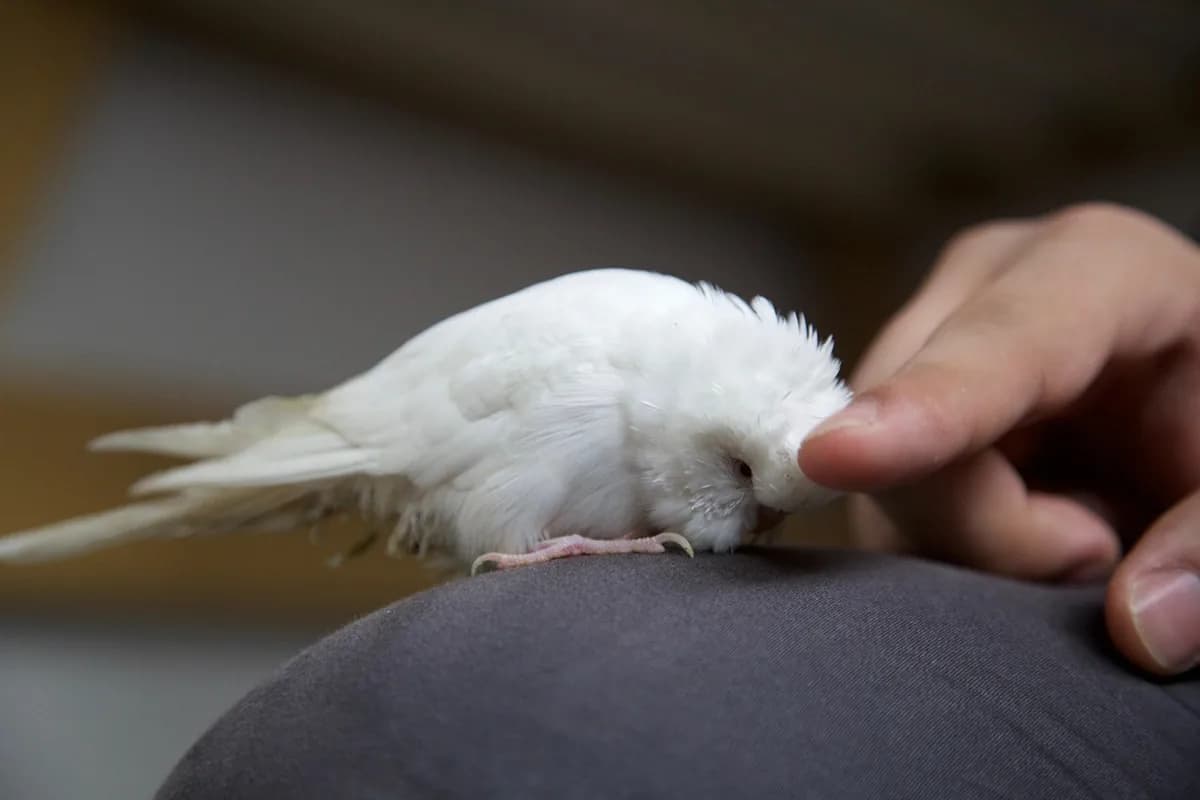
Yes, Your Parrot Can Learn Some Bathroom Manners (Sort Of)
Picture this: you're enjoying a peaceful morning coffee with your beloved parrot perched on your shoulder when suddenly — splat! — you've been gifted with a not-so-pleasant surprise on your favorite shirt. Sound familiar? If you've ever wondered whether your feathered friend can learn some bathroom etiquette, you're not alone. The good news is that parrots can indeed be potty trained to some degree, though it's not quite as straightforward as house-training a dog.
In our experience boarding over 1,000 birds at Bird Sitting Toronto, we've seen everything from perfectly timed poopers to birds who seem to have zero awareness of their bathroom habits. Here's the thing: while you'll never achieve 100% accuracy, you absolutely can teach your parrot to be more considerate about where and when they go. Let's dive into the fascinating world of parrot potty training!
Understanding Your Bird's Natural Bathroom Schedule
Before you start any training, it's crucial to understand how your parrot's digestive system works. Unlike mammals, birds have incredibly efficient digestive systems that process food quickly. Most parrots naturally eliminate waste every 15 to 30 minutes, though this can vary based on:
- Size of the bird (larger birds may go less frequently)
- Diet (high-water foods increase frequency)
- Activity level (excited or active birds may go more often)
- Time of day (many birds have a "morning constitutional")
The frequency means your bird isn't being inconsiderate — they're just following their natural biological rhythm. This regular schedule is actually what makes potty training possible in the first place.
Important: Never try to drastically change your bird's natural elimination schedule. Working with their rhythm, not against it, is key to success.
Reading the Signs: The Pre-Poop Posture
Here's where your detective skills come in handy. Most parrots have a telltale "pre-poop posture" that gives you a few seconds' warning. Watch for these signs:
- Slight backward squat (they lean back a bit)
- Tail lift (the tail goes up and slightly forward)
- Brief pause in activity (they stop what they're doing for a moment)
- Subtle body positioning (they may turn slightly or adjust their stance)
Every bird is slightly different, so spend a few days just observing your parrot without trying to intervene. Take mental notes about their timing and body language. You might be surprised at how predictable they actually are!
The Training Method: Timing, Cues, and Rewards
Once you've mastered reading your bird's signals, you can start the actual training process. The method is surprisingly simple, but consistency is absolutely crucial.
Step 1: Choose Your Verbal Cue
Pick a simple phrase like "go potty," "poop time," or even "bombs away" if you're feeling playful. The exact words don't matter — consistency does. Use the same phrase every single time.
Step 2: Perfect Your Timing
When you see your bird assume the pre-poop posture:
- Immediately say your chosen cue phrase
- If possible, quickly move them to a designated "poop zone"
- Wait for them to go (which they were about to do anyway)
- Praise enthusiastically and offer a small treat
Step 3: Gradually Extend the Training
Once your bird consistently responds to the cue when they're already about to go, you can start using the phrase proactively:
- Before taking them out of their cage
- After meals (when they're likely to need to go)
- Before handling sessions
- When returning to their designated poop areas
Pro Tip: Start training sessions when your bird is calm and relaxed. Excited or stressed birds are much less likely to cooperate with bathroom etiquette.
Creating Designated Poop Zones
Smart parrot parents establish specific areas where it's acceptable for their bird to eliminate. This might include:
- Over their cage (always a safe bet)
- On a designated perch with newspaper underneath
- In the bathroom on a special perch
- On a towel in a specific location
The key is consistency. Always praise your bird when they use these designated areas, even if they weren't responding to a cue. You want them to understand that some places are "good" poop spots.
Setting Up Success Zones
Make your designated areas appealing and accessible:
- Place comfortable perches at appropriate heights
- Ensure good lighting (birds prefer well-lit areas for elimination)
- Keep these areas clean and welcoming
- Have easy cleanup supplies nearby
The Dangers of Over-Training: When Good Intentions Go Wrong
Here's something many parrot owners don't realize: you can actually over-train your bird, and this can lead to serious health problems. Some birds become so eager to please that they'll hold their waste for extended periods, which can cause:
- Crop impaction
- Digestive issues
- Stress and anxiety
- Physical discomfort
Warning: If your bird starts holding their waste for more than 45 minutes to an hour regularly, you need to dial back the training. Their health is more important than your clean shirt.
Signs your bird might be holding it too long:
- Obvious discomfort or restlessness
- Straining or difficulty eliminating
- Changes in poop consistency or color
- Decreased appetite or activity
If you notice any of these signs, consult with an avian veterinarian immediately.
Setting Realistic Expectations
Let's be honest about what potty training can and cannot achieve with your parrot. Here's what you can reasonably expect:
What's Possible:
- Reducing accidents by 60-80%
- Teaching your bird to eliminate on cue when they need to go
- Creating awareness of appropriate poop zones
- Establishing a routine that works for both of you
What's Not Realistic:
- 100% accident-free living
- Your bird holding it for hours like a dog
- Perfect timing during exciting or stressful moments
- Immediate results (this takes weeks or months of consistency)
When Accidents Happen (And They Will)
Even the best-trained parrot will have accidents, especially when they're:
- Excited (meeting new people, seeing favorite treats)
- Stressed (vet visits, loud noises, changes in routine)
- Distracted (playing with new toys, exploring)
- Ill (any health issues can affect bathroom habits)
The key is to never punish accidents. Simply clean up without making a fuss and redirect your bird to an appropriate area if possible. Punishment will only create fear and anxiety, which actually makes accidents more likely.
Pro Tip: Keep cleanup supplies handy in multiple locations around your home. Quick, calm cleanup prevents your bird from developing negative associations with elimination.
Making It Work for Your Lifestyle
The most successful potty training approaches are tailored to your specific situation and your bird's personality. Consider these factors:
- Your daily schedule (when are you available for consistent training?)
- Your bird's natural patterns (are they a morning pooper or all-day-long?)
- Your living situation (apartment vs. house, carpeted vs. hardwood floors)
- Your bird's temperament (eager-to-please vs. independent personality)
Final Thoughts
Potty training your parrot is absolutely possible, but it requires patience, consistency, and realistic expectations. You're not going to achieve the same results you would with a dog, but you can definitely reduce the number of unwelcome surprises on your shoulder.
Remember, the goal isn't perfection — it's creating a more harmonious living situation for both you and your feathered friend. Some birds take to potty training like naturals, while others remain blissfully unaware of human preferences about bathroom etiquette. Either way, they're still wonderful companions.
The most important thing is to keep it positive and never compromise your bird's health for the sake of cleanliness. A few extra loads of laundry are a small price to pay for a happy, healthy parrot who trusts you completely.
With time, patience, and perhaps a good sense of humor about the occasional mishap, you and your parrot can find a bathroom routine that works for everyone involved. Just don't forget to keep those paper towels handy!
Explore related topics
Related Articles
Clicker Training for Parrots: The Complete Beginner's Guide
Clicker training is the most effective way to communicate with your parrot. Here's how to start from zero.

Crate Training Your Parrot: Stress-Free Vet Visits and Travel
The travel carrier doesn't have to be terrifying. Crate training makes vet visits and travel manageable.
Desensitization Training: Helping Fearful Parrots Overcome Their Fears
New toys, strangers, vet visits — many parrots are terrified. Systematic desensitization changes that safely.