Parrots and Children: A Safety Guide for Families with Kids
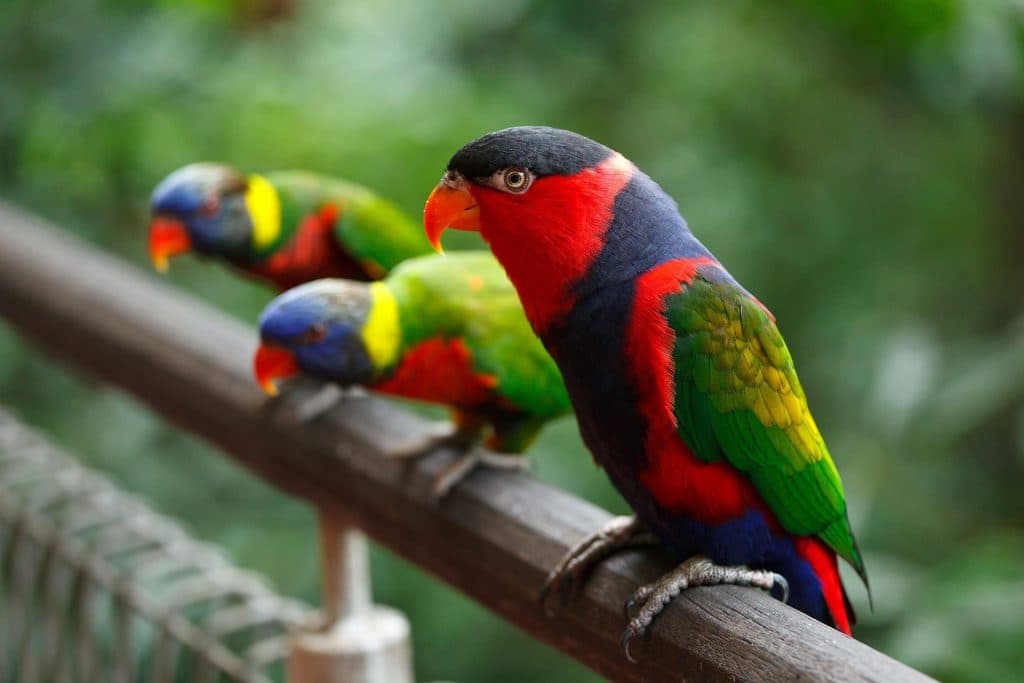
Building Beautiful, Safe Relationships Between Parrots and Children
There's something truly magical about watching a child and a parrot form their first connection. At Bird Sitting Toronto, we've had the privilege of caring for many family birds, and some of our most heartwarming moments come from seeing how these relationships flourish when built on a foundation of safety and understanding.
The good news is that parrots and children can absolutely live together harmoniously — but it requires thoughtful planning, consistent supervision, and age-appropriate expectations. Let's walk through everything you need to know to create a safe, loving environment where both your child and your feathered family member can thrive.
Choosing the Right Species for Your Family
Not all parrots are created equal when it comes to living with children. In our experience boarding over 1,000 birds, we've seen which species tend to be more patient and gentle with little ones.
Best Species for Families with Young Children
Cockatiels are often the gold standard for family birds. They're typically gentle, less likely to inflict serious bites, and their body language is relatively easy for children to read with those expressive crests.
Budgerigars (budgies) are another excellent choice. Their small size means any potential bite won't cause significant injury, and they're generally social and adaptable to household activity.
Green-cheeked conures can work well with older children (8+) who understand boundaries. They're playful and interactive but require more respect for their space than cockatiels or budgies.
Species to Approach with Extra Caution
Larger parrots like macaws, African greys, and cockatoos can make wonderful family pets, but they require children who are mature enough to understand and respect their power. These birds can inflict serious injuries if they feel threatened or overwhelmed.
Important: The individual bird's personality matters more than species alone. A well-socialized larger parrot might be gentler than a stressed smaller bird. Always consider your specific bird's temperament.
The Golden Rules of Supervision
Here's the thing — supervision isn't just recommended, it's absolutely essential. We cannot stress this enough: never leave young children (under 10) alone with any parrot, regardless of size or temperament.
Age-Based Supervision Guidelines
Ages 2-5: Constant, direct supervision with an adult within arm's reach. Interactions should be brief and highly structured.
Ages 6-9: Close supervision with an adult in the same room. Children can begin learning proper handling techniques under guidance.
Ages 10+: Supervised independence. Children can interact more freely but should still have adult oversight, especially during cage cleaning or when the bird seems stressed.
Creating Safe Interaction Zones
Designate specific areas and times for child-bird interactions. This might be:
- A carpeted living room area (softer landing if the bird flies)
- During calm evening hours when household activity is lower
- Away from other pets, loud noises, or distractions
Teaching Children Proper Bird Interaction
The most important gift you can give both your child and your bird is education. Children are naturally eager to learn, and when they understand how to communicate with birds, beautiful relationships develop.
Reading Bird Body Language
Teach your children to recognize these important signals:
Happy/Relaxed Bird:
- Feathers lying flat and smooth
- Eyes bright and alert (not pinning rapidly)
- Calm, steady breathing
- May be preening or playing quietly
Stressed/Uncomfortable Bird:
- Feathers puffed up or held tightly against the body
- Rapid eye pinning (pupils dilating and contracting quickly)
- Heavy, rapid breathing
- Backing away or trying to make themselves smaller
Warning Signs - Back Away:
- Beak open in a threatening posture
- Lunging forward
- Tail feathers fanned out
- Loud, harsh vocalizations
Gentle Handling Techniques
The "Statue Game": Teach children to be still and quiet when first approaching the bird. This helps the bird feel safe and gives children practice with impulse control.
Two-Finger Rule: Show children how to offer just two fingers (index and middle) for the bird to step onto, rather than a full hand which might seem overwhelming.
No Grabbing Policy: This is non-negotiable. Explain that birds are never to be grabbed, chased, or cornered. If a bird doesn't want to interact, we respect that choice.
Pro Tip: Practice these techniques with a stuffed animal first. Children can perfect their gentle touch and patient approach before working with the real bird.
Understanding and Preventing Bites
Even the gentlest bird might bite if they feel scared or overwhelmed. Rather than fear bites, we prepare for them and work to prevent them.
Why Birds Bite
Help children understand that bites usually happen because:
- The bird is scared or startled
- They're protecting their territory (cage, favorite person)
- They're overstimulated or tired
- They're trying to communicate something important
What to Do if a Bite Happens
Stay Calm: This is crucial. Screaming or jerking away can traumatize both the child and the bird.
Don't Punish: Never yell at or punish the bird. They were communicating the only way they knew how.
Assess and Clean: Check the injury and clean it thoroughly with soap and water.
Learn from It: Discuss what might have led to the bite and how to avoid similar situations.
First Aid Basics
Keep a basic first aid kit accessible:
- Antiseptic wipes
- Bandages
- Triple antibiotic ointment
- Emergency contact numbers for your pediatrician
Warning: Any bite that breaks the skin should be cleaned immediately and monitored for signs of infection. When in doubt, consult your healthcare provider.
Hygiene and Health Considerations
Living with birds requires consistent hygiene practices, especially with children who might forget to wash their hands or touch their faces frequently.
Essential Hygiene Rules
Handwashing is Non-Negotiable: Children must wash their hands thoroughly with soap and water after any bird contact — handling, cage cleaning, or even just touching toys or perches.
No Face-to-Beak Contact: While it might look cute, birds can carry bacteria in their mouths that's harmful to humans. No kissing or allowing birds near faces.
Food Safety: Birds should never eat from the same utensils or dishes as humans, and children shouldn't share food directly from their mouths.
Regular Health Monitoring
Teach children to notice and report:
- Changes in the bird's eating or drinking
- Unusual droppings
- Changes in behavior or energy levels
- Any signs of illness in themselves after bird contact
Safe Cage Placement and Setup
Where you place your bird's cage can make a huge difference in creating a safe environment for both children and birds.
Ideal Cage Location
Eye Level or Slightly Above: This helps the bird feel secure while allowing children to interact comfortably without reaching overhead.
Against a Wall: Provides the bird with a sense of security and prevents children from accessing the cage from all sides.
Away from High-Traffic Areas: Choose a spot that's part of family life but not in the main walkway where children might bump the cage or create constant commotion.
Stable Surface: Ensure the cage can't be tipped over by an excited child or curious toddler.
Child-Proofing Considerations
- Secure cage latches that children can't accidentally open
- Remove or secure any cage accessories that could be pulled off
- Ensure electrical cords for cage lighting or heating are out of reach
- Consider a protective barrier around the cage base to catch dropped food
Age-Appropriate Responsibilities
One of the most beautiful aspects of children growing up with birds is watching them develop empathy, responsibility, and nurturing skills. Here's how to involve children in bird care safely:
Ages 4-6: Helper Responsibilities
- Helping measure bird food (with supervision)
- Talking to and singing with the bird
- Observing and reporting the bird's daily activities
- Helping choose healthy treats
Ages 7-10: Active Participation
- Daily food and water changes (with oversight)
- Simple cage cleaning tasks
- Recording the bird's daily behavior in a journal
- Learning about proper nutrition
Ages 11+: Independent Care
- Full feeding responsibility
- Cage maintenance and cleaning
- Recognizing health issues
- Researching bird behavior and needs
Pro Tip: Create a daily checklist that children can follow. This builds routine and ensures nothing important gets forgotten.
Building the Bond
The relationship between a child and a bird develops slowly, built on trust and positive experiences. Here are ways to encourage this special connection:
Daily Interaction Ideas
Reading Time: Children can read aloud to their bird, which provides gentle socialization for both.
Training Sessions: Simple target training or step-up practice helps build communication and trust.
Art Projects: Drawing pictures of their bird or creating enrichment toys together.
Music Time: Many birds enjoy singing or dancing with children.
Respecting Boundaries
Teach children that building trust takes time. Some days the bird might not want to interact, and that's perfectly okay. This lesson in respecting others' boundaries is valuable beyond bird care.
Final Thoughts
The bond between children and parrots can be one of the most rewarding relationships in a child's life. These intelligent, emotional creatures teach children about empathy, responsibility, and the joy of interspecies friendship.
At Bird Sitting Toronto, we've seen countless families successfully navigate this journey. The key is patience, education, and never compromising on safety. Start slowly, stay consistent with rules and supervision, and watch as your child and your feathered family member develop a connection that will enrich both their lives.
Remember, every child and every bird is different. What works for one family might need adjustment for another. Trust your instincts, prioritize safety, and don't hesitate to seek guidance from avian veterinarians or experienced bird behaviorists when needed. The investment in creating a safe, loving environment pays dividends in the joy and learning that comes from these remarkable relationships.
Explore related topics
Related Articles
Bird Care on a Budget: How to Give Great Care Without Breaking the Bank
Quality bird care doesn't have to be expensive. Here's how to save money without cutting corners on health and enrichment.
How Much Does a Parrot Cost? Complete Price Breakdown by Species
From $20 budgies to $20,000 hyacinth macaws — here's what every species costs to buy and own.
Road Tripping with Your Parrot: A Practical Guide for Car Travel
Taking your bird on a road trip? From carrier setup to rest stops, here's everything you need to know.