Harness Training for Parrots: A Step-by-Step Guide to Safe Outdoor Adventures
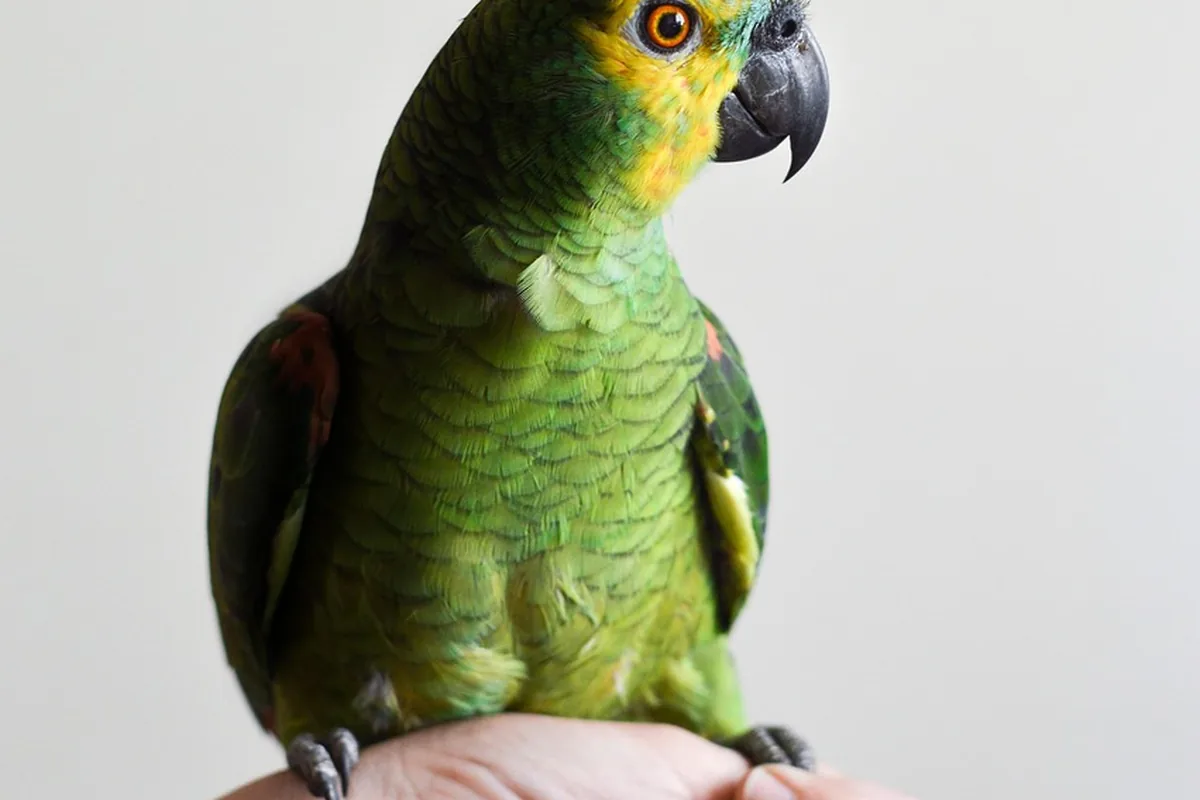
The Dream of Outdoor Adventures with Your Feathered Friend
Picture this: you and your parrot exploring a beautiful park together, your bird safely secured in a harness, enjoying fresh air and new sights while staying protected. It sounds magical, doesn't it? The good news is that harness training your parrot can absolutely make this dream a reality — but it requires patience, consistency, and realistic expectations.
In our experience boarding over 1,000 birds at BST, we've seen countless success stories of harness-trained parrots who love their outdoor adventures. We've also seen well-meaning owners rush the process and create negative associations that take months to undo. Here's everything you need to know to do it right.
Understanding Harness Types and Choosing the Right One
Not all harnesses are created equal, and choosing the right one can make or break your training success. Here's what we recommend:
The Aviator Harness: The Gold Standard
The Aviator harness is hands-down the most popular choice among bird owners and professionals, and for good reason:
- One-piece design eliminates buckles that can break or come undone
- Elastic chest strap allows for natural breathing and movement
- Secure but comfortable fit that's difficult for clever birds to escape
- Available in multiple sizes to fit birds from cockatiels to macaws
- Comes with excellent training DVD that walks you through the process
Other Options
While the Aviator is our top pick, other harnesses include:
- The Feather Tether: Good for larger birds, but some find the buckles less secure
- Parrot University harness: Another solid option with good adjustability
- DIY or cheaper alternatives: We honestly don't recommend these — your bird's safety is worth the investment in quality
Pro Tip: Always buy from reputable retailers and ensure you're getting the correct size. A poorly fitting harness is not just ineffective — it's dangerous.
The Best Age to Start Harness Training
Here's the thing about age and harness training: younger is definitely easier, but it's never too late to start.
Young Birds (Under 1 Year)
- Advantages: More adaptable, less set in their ways, often more trusting
- Timeline: Can often be harness-ready in 2-4 months with consistent training
- Considerations: Still developing trust, so go extra slowly with the process
Adult Birds (1+ Years)
- Reality check: It will likely take longer — 4-6 months or more
- Advantages: Established bond with you, more predictable personality
- Challenges: May have stronger opinions about new things, require more patience
We see birds of all ages successfully learn to wear harnesses at BST. Your 10-year-old Amazon can absolutely learn this skill — it just might take a bit longer than a young cockatiel.
The Desensitization Process: Taking It Step by Step
This is where most people either succeed brilliantly or fail spectacularly. The key is breaking the process down into tiny, manageable steps and never rushing.
Phase 1: Introduction (Weeks 1-2)
Start by simply having the harness around:
- Place the harness near your bird's cage during meals
- Let them see you handling it casually
- Reward any positive interest with treats and praise
- If they show fear, back up and go slower
Phase 2: Touch and Exploration (Weeks 2-4)
- Let your bird investigate the harness during training sessions
- Reward them for touching it, stepping on it, or playing with it
- Practice touching their wings and back gently during regular handling
- Never force contact — let curiosity drive the process
Phase 3: Partial Fitting (Weeks 4-8)
- Start by just draping the harness over their back for seconds
- Gradually work up to slipping their head through the loop
- Practice putting one wing through, then removing immediately
- Always end on a positive note with treats and praise
Phase 4: Full Harness (Weeks 8-12+)
- Work up to having the full harness on for short periods
- Start with just seconds, gradually increase to minutes
- Only move to the next step when your bird is completely comfortable
- Practice the removal process just as much as putting it on
Important: Some birds will progress faster, others slower. We've seen birds master this in 6 weeks and others take 8 months. Your bird's timeline is the right timeline.
Realistic Timeline Expectations
Let's be honest about timing because unrealistic expectations lead to rushed training and setbacks:
Typical Timeline: 3-6 Months
- Months 1-2: Desensitization and building positive associations
- Months 2-4: Learning to wear the harness indoors
- Months 4-6: Comfortable wearing time and first outdoor experiences
Factors That Affect Timeline
- Bird's personality: Confident birds often progress faster
- Previous experiences: Birds with handling trauma may need longer
- Training consistency: Daily short sessions beat sporadic long ones
- Owner patience: Rushed birds often regress and need to restart
Common Setbacks and How to Handle Them
Every harness training journey has bumps. Here are the most common ones we see:
The "Statue Bird" Response
What happens: Your bird freezes completely when the harness goes on Solution: This is normal! Start with much shorter sessions and gradually increase time
Regression After Progress
What happens: Your bird was doing great, now suddenly hates the harness Solution: Go back several steps in training and rebuild slowly
The Great Escape Artist
What happens: Your clever bird figures out how to slip out of the harness Solution: Check sizing and fit, practice proper adjustment, consider professional help
Fear or Aggression
What happens: Your bird becomes fearful or aggressive about the harness Solution: Take a break for a week, then restart from the very beginning
Pro Tip: If you hit a major setback, don't panic. We see this all the time. Sometimes taking a complete break for 1-2 weeks and starting fresh works wonders.
Your First Outdoor Experience
When your bird is comfortable wearing the harness indoors for 30+ minutes, you might be ready for the outdoors. Here's how to make it successful:
Start Small
- First trip: Just step outside your door for 2-3 minutes
- Second trip: Walk to the end of your driveway
- Gradual increase: Slowly extend time and distance
Choose the Right Environment
- Quiet locations: Avoid busy parks or crowded areas initially
- Familiar territory: Start in your own yard if possible
- Good weather: Mild temperatures, no strong winds
Bring Essentials
- Treats for positive reinforcement
- A towel in case you need to cover your bird
- Your phone for emergencies
- A backup person if possible
Outdoor Dangers to Watch For
The outdoors can be wonderful for your bird, but awareness of dangers is crucial:
Predators
- Hawks and other raptors: Even in urban areas, these pose real threats
- Cats and dogs: Both free-roaming and leashed pets can cause stress
- Other birds: Wild birds may mob or attack your parrot
Environmental Hazards
- Temperature extremes: Birds can overheat or get chilled quickly
- Strong winds: Can make flying difficult if your bird gets spooked
- Toxic plants: Many common outdoor plants are dangerous if ingested
- Pesticides: Avoid areas that may have been recently treated
Human-Related Stress
- Crowds: Too many people can overwhelm your bird
- Loud noises: Traffic, construction, or events can cause panic
- Well-meaning strangers: People wanting to touch or feed your bird
Warning: Always stay alert and trust your instincts. If something feels wrong, head inside immediately.
Which Species Take to Harness Training Best?
While every individual bird is different, we've noticed some patterns in our experience:
Generally Easier to Train
- Cockatiels: Often adaptable and food-motivated
- Conures: Usually confident and enjoy new experiences
- Smaller parrots: Less powerful, easier to handle during training
May Require More Patience
- Amazons: Strong-willed and may have definite opinions
- African Greys: Highly intelligent but can be cautious about new things
- Macaws: Size makes handling more challenging, but many love outdoor time
Individual Factors Matter More
Honestly, personality trumps species every time. We've seen shy cockatiels take a year to harness train and bold macaws master it in weeks. Your bird's individual temperament, trust level with you, and previous experiences matter far more than their species.
Final Thoughts
Harness training your parrot opens up a whole world of shared experiences and enrichment opportunities. The key to success is patience, consistency, and realistic expectations. Remember, this isn't a race — it's a journey you're taking together.
At BST, we've seen the joy on owners' faces when they finally take that first successful outdoor adventure with their feathered friend. It's absolutely worth the time and effort, but only if done right. Take your time, celebrate small victories, and don't be afraid to seek help from experienced trainers if you hit roadblocks.
Your bird's safety and comfort should always come first. When in doubt, slow down, take a step back, and remember that building trust is always more important than hitting arbitrary timelines. With patience and persistence, you and your parrot can enjoy many safe outdoor adventures together.
Explore related topics
Related Articles

Clicker Training for Parrots: The Complete Beginner's Guide
Clicker training is the most effective way to communicate with your parrot. Here's how to start from zero.

Crate Training Your Parrot: Stress-Free Vet Visits and Travel
The travel carrier doesn't have to be terrifying. Crate training makes vet visits and travel manageable.

Desensitization Training: Helping Fearful Parrots Overcome Their Fears
New toys, strangers, vet visits — many parrots are terrified. Systematic desensitization changes that safely.