Taming and Acclimating Finches: Trust Without Handling
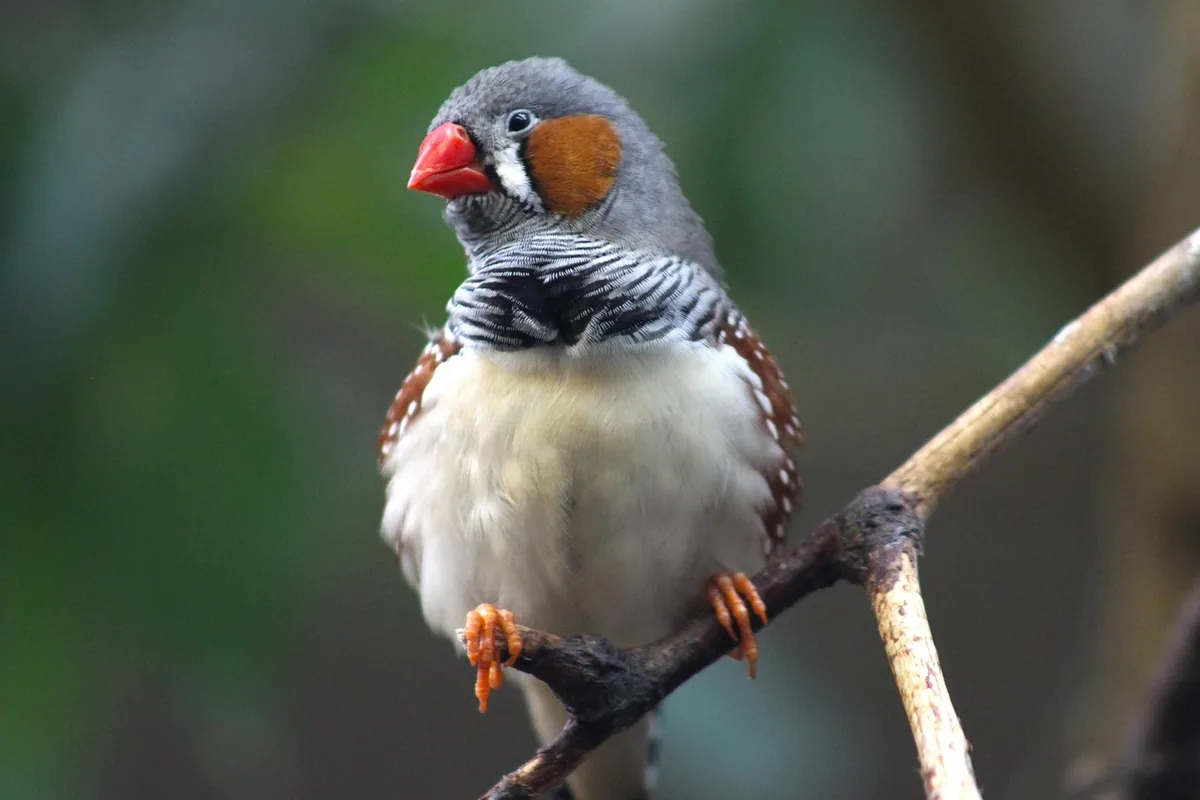
Let's start with an honest reset: finches are not trick birds. They don't step up on cue, they don't learn recall, and they have no talking ability — they will never mimic a word. Anyone who tells you to teach a finch to wave or speak is applying parrot advice to a bird that wants none of it. Finches are hands-off flock animals, and the "training" that actually improves their lives is quieter and more rewarding: earning enough trust that your flock stays calm and busy when you're near, rather than panicking. This guide is about that gentle acclimation, not tricks.
Why Handling Isn't the Goal
Finches bond to each other, not to people. They are prey animals with a fast, hard-wired flight response, and being chased, grabbed or perched on a hand reads to them as being caught by a predator. Forcing handling doesn't tame a finch — it stresses one, and chronic stress causes feather problems, weight loss and illness. Success with finches is measured differently: a flock that keeps singing, eating, bathing and flying while you sit nearby, and eventually feeds calmly a short distance from your hand, is a well-adjusted, "tame-enough" flock. That is the whole aim.
Tip: If you truly want a bird that steps up, talks or learns tricks, a finch is the wrong species and no amount of effort will change that. Choose finches for their song, color and busy flock life — then work with their nature, not against it.
The Real Foundation: Environment and Companionship
Before any trust-building, get the basics right, because a stressed finch cannot relax no matter how patient you are.
- Keep them in pairs or a small flock. A lone finch is a stressed finch; companionship is the single biggest factor in a calm, confident bird.
- Give real flight space. A long, horizontal flight cage lets birds fly away and settle, which paradoxically makes them less flighty around you — they have room to choose distance instead of panicking.
- Place the cage thoughtfully. A lived-in room at roughly chest height, out of drafts and away from startling traffic, lets birds habituate to normal household life at a safe remove.
Gentle Acclimation, Step by Step
Trust with finches is built through predictability and patience, over weeks. Move at the flock's pace.
- Settle first. Give new birds at least two weeks of quiet to adjust before you try to interact at all. Let them learn that your home is safe.
- Just be present. Sit calmly near the cage every day — read, talk softly, work quietly. You are teaching the flock that a nearby human is boring and harmless.
- Move slowly and talk low. Approach the cage without sudden movements, announce yourself with a soft voice so you never startle a dozing bird, and avoid looming over the cage from above like a predator.
- Pair your presence with good things. Add fresh millet, a favorite green or the bath while you're beside the cage, so the birds associate you with the best parts of their day.
- Let them close the distance. Over time, offer a sprig of millet held near the bars, then just inside. When a bold bird eats while you're close, that is real progress — let the finch choose to approach, never the reverse.
- Read the flock and back off. Frantic flying, alarm calls or birds pressed to the far side mean you've pushed too fast. Retreat, lower the intensity, and try again tomorrow. Calm, steady chatter means you're doing well.
Some individuals — often hand-raised society finches — grow bold enough to take food from your fingers or even perch briefly of their own accord. Treat that as a lovely bonus, not a target, and never grab a bird that lands on you.
Enrichment: The "Training" That Matters
Since you're not teaching behaviors, channel that energy into an environment that keeps finches mentally and physically well.
- Foraging: tuck millet sprays, seeding grasses and greens around the cage so birds work to find food, as they would in the wild.
- Movement: swings, ladders, varied natural perches and plenty of clear flight length keep them fit and occupied.
- Fresh browse and bathing: untreated branches, safe leafy greens to shred, and a daily shallow bath are endlessly engaging.
- Flock life: the richest enrichment of all is other finches to call to, preen with and gently squabble over the best perch.
Song and Sound
You can't teach a finch to talk, but you can enjoy and encourage its natural voice. Male finches sing, and young birds — famously in zebra finches — learn their songs from an adult tutor within the flock, the same species-specific learning that makes them a cornerstone of song-learning neuroscience. A relaxed, well-fed male in good light will sing readily. Play or live company, steady routine and a calm environment all support more song; there's nothing to drill, only conditions to provide.
Handling When You Genuinely Must
Sometimes you have to catch a finch — a vet visit, a wing check, an escape. Do it rarely, quickly and gently: dim the room to slow the bird, cup it softly so its head sits between your first two fingers with the body supported in your palm, keep the hold brief, and release it back to the flock as soon as the task is done. This is restraint for care, not taming, and the less often you need it, the calmer your birds will stay.
Work with what a finch is — a social, song-filled, hands-off flock bird — and "training" becomes what it should be: a trusting flock that lives its busy little life comfortably alongside yours.
Explore related topics
Related Articles

Clicker Training for Parrots: The Complete Beginner's Guide
Clicker training is the most effective way to communicate with your parrot. Here's how to start from zero.

Crate Training Your Parrot: Stress-Free Vet Visits and Travel
The travel carrier doesn't have to be terrifying. Crate training makes vet visits and travel manageable.

Desensitization Training: Helping Fearful Parrots Overcome Their Fears
New toys, strangers, vet visits — many parrots are terrified. Systematic desensitization changes that safely.