Training Your Conure: A Step-by-Step Guide
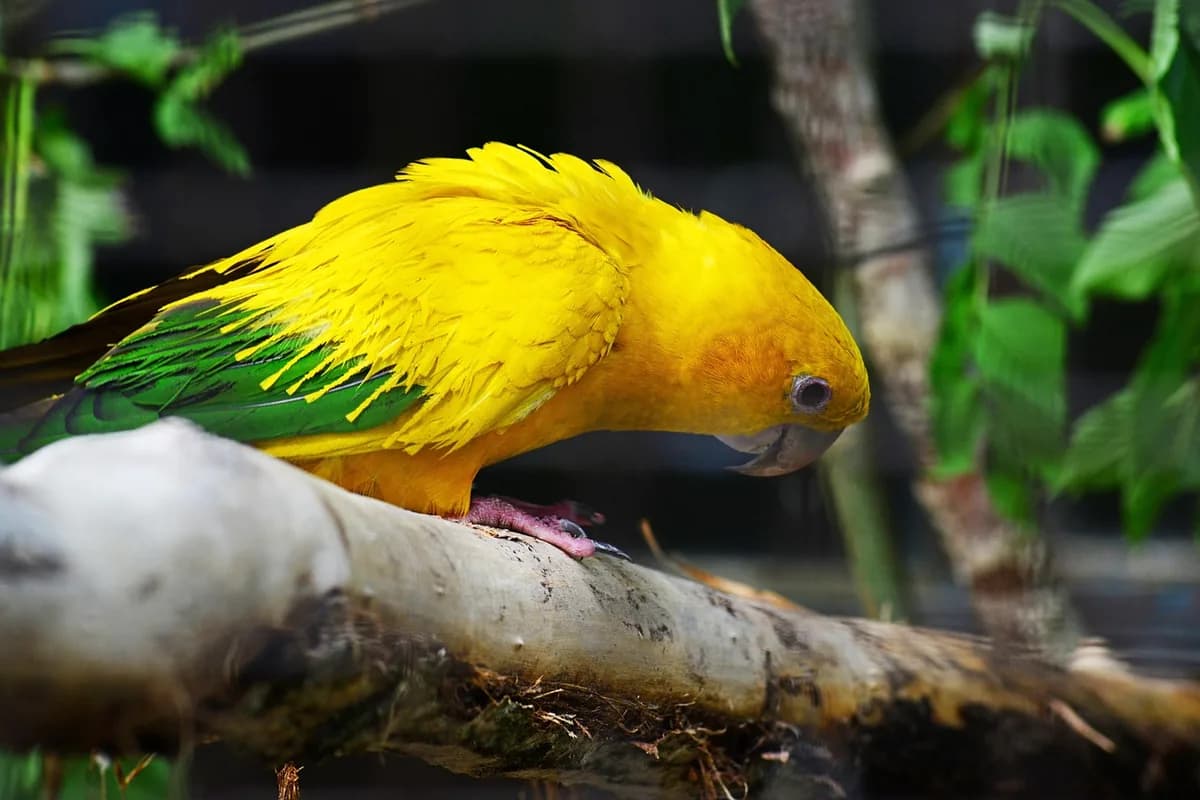
Few parrots are as fun to train as a conure. They are clever, endlessly food-motivated, and genuinely enjoy the game — a conure that has learned target training and recall is a more confident, better-behaved, and far less noisy bird. Their clownish streak means they want to show off. Your job is to channel that energy with positive reinforcement, keep sessions short, and never accidentally teach the behaviors you don't want. This is a hands-on species with real aptitude; use it.
The Foundation: Positive Reinforcement
All modern parrot training rests on one idea: reward the behavior you want, and it happens more. You never punish a conure — hitting, yelling, cage-covering as punishment, or "earthquaking" (dropping the hand) all destroy trust and create biters. Instead you find what your bird will work for and deliver it the instant the bird does the right thing.
For a conure, the currency is almost always food. Find your bird's jackpot treat — a sliver of almond or walnut, a single sunflower or safflower seed, a piece of millet — and reserve it only for training. Because these are the same high-fat foods you limit in the diet, keep the pieces tiny; you'll give dozens in a session.
Tip: Train just before a meal, when your conure is keen but not ravenous, and keep sessions to 5-10 minutes, 2-3 times a day. A conure's attention is a firecracker, not a slow burn. Always end on a success the bird can already do well.
Before You Start: Taming and Trust
If your conure is new or hand-shy, don't rush to handling. Spend the first couple of weeks simply existing near the cage — talking softly, reading aloud, offering a favorite treat through the bars. You're building the association you = good things happen. Move on only when the bird:
- Has settled in for at least two weeks
- Eats calmly in your presence
- Approaches the bars, makes eye contact, or takes a treat from your fingers without lunging
That last one — taking food gently from your hand — is the green light that trust is forming.
Step-Up
Step-up is the cornerstone; everything else builds on it.
- With your bird calm, present a finger (or, for a larger Aratinga conure, the side of a flat hand) just above its feet, lightly touching the belly above the legs.
- Say "step up" once, in a bright, consistent tone.
- The moment both feet are on your hand, mark it — a quick "good!" or a clicker — and deliver the treat.
- Repeat 3-5 times, then stop while it's still fun.
If the bird hesitates, make the ask easier: reward a single foot on your hand first, then build to two. Never force or push against the bird — patience beats pressure every time.
Target Training
Targeting — teaching your conure to touch its beak to the end of a stick (a chopstick or a proper target wand) — is the secret weapon of parrot training. It lets you move the bird without hands, position it for other tricks, and give a bold conure a job.
- Hold the target just in front of the beak. Curious conures usually touch it immediately.
- The instant the beak makes contact, mark ("good!") and treat.
- Move the target a little each rep — up, to the side, a step along the perch — so the bird follows it.
Within a few sessions most conures will chase the target enthusiastically. From here, targeting becomes the building block for recall and nearly every trick.
Recall
Recall — flying or scrambling to you on cue — is one of the most useful things a conure can learn, and their agility makes them naturals.
- Start tiny: bird on a perch, you a hand's width away. Present your hand, cue "come" (or a whistle), and reward the step or hop across.
- Increase the distance a few centimeters at a time over many sessions.
- Keep it 100% rewarding at first — every recall pays out — so coming to you always beats staying put.
Warning: Only practice free-flight recall indoors, in a safe, closed room with windows covered and ceiling fans off. Never take an un-harnessed conure outdoors "because it always comes back" — a startle, a gust, or a hawk and it's gone. Toronto's outdoor cats, traffic, and cold are unforgiving.
Tricks, Talking, and Whistling
Once step-up and targeting are solid, conures pick up tricks fast: wave, turn around (spin), shake, retrieve a small ball, ring a bell, go through a hoop. Break each trick into tiny steps, mark and reward each approximation, and chain them together. Targeting does most of the heavy lifting — lure the movement with the wand, then fade it.
On talking, set expectations: with a talking score of 2 out of 5, conures are modest mimics. Some learn a handful of words, whistles, and sound effects; many never really talk, and that's normal for the species. To encourage it, repeat a short word with enthusiasm at the same moment daily (a greeting works well) and reward any attempt. Because they whistle more readily than they talk, a taught whistle is often a smarter target than speech — and it's a great tool for the noise problem below.
Solving Typical Conure Problems
- Screaming: This is the big one, and it's a training problem as much as a behavior one. Conures contact-call by nature, but they learn to scream louder if screaming makes you appear. Never reinforce it — don't come running, don't shout back, don't even make eye contact during a scream. Instead, reward the quiet: return and treat during calm moments, and teach an acceptable replacement sound (a soft whistle or a quiet word) that does earn your attention. You're not silencing the bird; you're choosing which sound pays.
- Hormonal nipping (spring): Back off physical cuddles during hormone season, keep petting to the head only, and lean on hands-off training like targeting to keep engagement without triggering bites.
- Cage aggression: Let a territorial conure come out on its own or step up onto a perch/target rather than reaching into its space; train step-up on neutral ground away from the cage.
- Distractibility: A conure that won't focus is usually over-faced. Shorten the session, raise the value of the treat, and cut the distractions.
Train a little every day, keep it positive, and reward the calm as deliberately as you reward the tricks. You'll end up with exactly what makes conures so beloved: a bright, bonded, showing-off little clown who works with you.
Explore related topics
Related Articles

Clicker Training for Parrots: The Complete Beginner's Guide
Clicker training is the most effective way to communicate with your parrot. Here's how to start from zero.

Crate Training Your Parrot: Stress-Free Vet Visits and Travel
The travel carrier doesn't have to be terrifying. Crate training makes vet visits and travel manageable.

Desensitization Training: Helping Fearful Parrots Overcome Their Fears
New toys, strangers, vet visits — many parrots are terrified. Systematic desensitization changes that safely.