Cockatiel Training Tips: Trust, Step-Up, Recall & Whistling
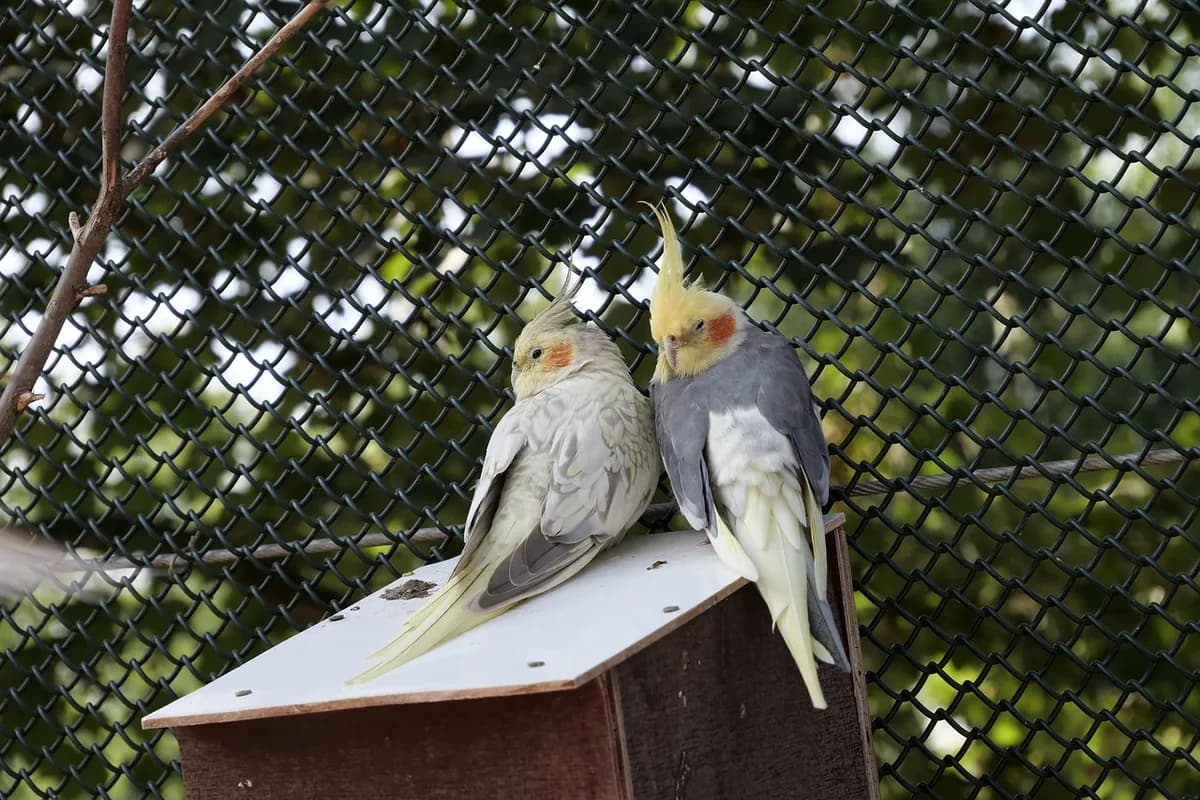
Cockatiels are widely rated a beginner-friendly parrot, and training is where that reputation is earned. They are gentle, food-motivated, quick to bond, and — crucially — forgiving of a first-time trainer's mistakes. They are not big talkers (talking rates low for the species), but they are gifted whistlers, and males in particular will happily learn tunes. With short, upbeat sessions and the right treat, most cockatiels can master step-up, recall, and a handful of tricks. At Bird Sitting Toronto, the calmest boarders are almost always the ones whose owners have built a trained, trusting relationship at home.
The Method: Positive Reinforcement Only
Every technique below rests on one principle: reward the behaviour you want and ignore the behaviour you don't. Cockatiels are sensitive; punishment, grabbing, or "dominance" games backfire, producing a fearful, biting bird. You never need them. Instead:
- Find the treat that lights your bird up. For cockatiels that's usually a piece of millet spray or a sliver of sunflower or safflower seed — high-value precisely because these are treat foods, not diet staples.
- Reward instantly. A cockatiel connects the reward to whatever it was doing in the last second, so timing is everything. Many trainers add a clicker or a consistent "good!" marker to bridge the gap.
- Train when your bird is keen — mid-morning, slightly hungry, before the main meal, not stuffed full of pellets.
Before You Start: Settle and Tame
Give a new cockatiel at least two weeks to settle before formal training. You are ready when your bird eats calmly in your presence and shows curiosity — approaching the cage bars, watching you, crest up.
Build early trust by hand-taming: sit beside the cage and talk or whistle softly, then offer millet through the bars. Progress to offering it on a flat, open palm inside the cage. Let the bird choose to come to you. Read the crest as you go — up and forward is curious and confident; flat, or a hiss with wings out, means back off and go slower. Never force it.
Step-Up: The Foundation
Step-up is the first and most useful cue.
- Position your finger or a perch just above your cockatiel's feet, lightly touching the belly above the legs.
- Say "step up" in a clear, cheerful tone.
- The gentle pressure tips the bird's balance forward; the instant it steps on, mark and reward.
- Keep sessions to 3–5 reps, always ending on a success.
Practise until step-up is automatic in and out of the cage. It is the cue you'll use every day and the safe way to move your bird off trouble.
Target Training
Target training — teaching your bird to touch its beak to the tip of a stick (a chopstick works) — is the Swiss-army tool of parrot training and cockatiels pick it up fast.
- Hold the target near the beak; the moment your bird touches it, mark and reward.
- Move the target a little each rep so the bird steps toward it.
- Use the target to lead your bird onto a hand, across a table, or through a trick — no hands-on needed.
Recall (Flighted or Step-Distance)
Once step-up and targeting are solid, teach recall — coming when called. Start tiny: with your bird on a perch, hold a hand a few centimetres away, cue "come" (or a whistle), and reward the step across. Gradually widen the gap. For a flighted, well-bonded cockatiel this becomes a reliable, joyful flighted recall across a room — and a genuine safety skill. Only ever practise flight recall indoors in a safe, enclosed space.
Whistling, Tunes, and Talking
This is where cockatiels shine. Males especially learn to whistle tunes and mimic sounds; hens are usually quieter.
- Pick one short, simple tune and whistle it repeatedly at the same times each day. Consistency and repetition are how cockatiels learn.
- Reward attempts — reward any approximation, and it will refine over days and weeks.
- A few may learn words, but keep expectations modest and let whistling lead; forcing speech from a natural whistler frustrates both of you.
Tip: Be careful which sounds you teach. Cockatiels readily pick up microwave beeps, phone alarms, and — endlessly — a loud "wolf whistle." Whatever noise gets a reaction from you tends to get repeated, so choose the tunes you actually want to hear for the next 20 years.
Simple Tricks
With step-up and targeting in place, cockatiels enjoy small tricks: wave (lure a foot up), turn around (lead with the target), step onto a scale (invaluable for health monitoring), and ladder (step-up hand over hand). Keep each trick broken into tiny steps, mark and reward each one, and stop while your bird still wants more.
Solving Common Problem Behaviours
- Biting. Cockatiel bites are almost always predictable — they follow ignored warnings (flat crest, a hiss, wings-out rocking) or hormonal territoriality. Learn the signals, don't reach past a "no," and never pull your hand away sharply (that teaches the bird biting works). Reward calm, gentle contact instead.
- Excessive contact-calling / screaming. Cockatiels flock-call by nature, but a bird that screams gets loud because loudness got attention. Reward the quiet whistles, answer normal contact calls before they escalate, and never come running for a scream.
- Won't step up / hand-shy. Back up to hand-taming with millet and rebuild trust; the bird isn't stubborn, it's not yet confident.
- Cage-bound. A bird that won't leave the cage often feels the cage is its only safe territory. Train at the open door and let it choose to come out to you.
Keep sessions short, positive, and daily, respect the crest, and pay in millet, and you'll find the cockatiel deserves its beginner-friendly name — trainable, affectionate, and endlessly ready to whistle you a tune.
Explore related topics
Related Articles

Clicker Training for Parrots: The Complete Beginner's Guide
Clicker training is the most effective way to communicate with your parrot. Here's how to start from zero.

Crate Training Your Parrot: Stress-Free Vet Visits and Travel
The travel carrier doesn't have to be terrifying. Crate training makes vet visits and travel manageable.

Desensitization Training: Helping Fearful Parrots Overcome Their Fears
New toys, strangers, vet visits — many parrots are terrified. Systematic desensitization changes that safely.