Amazon Parrot Training Tips: Trust, Step-Up, Recall & Talking
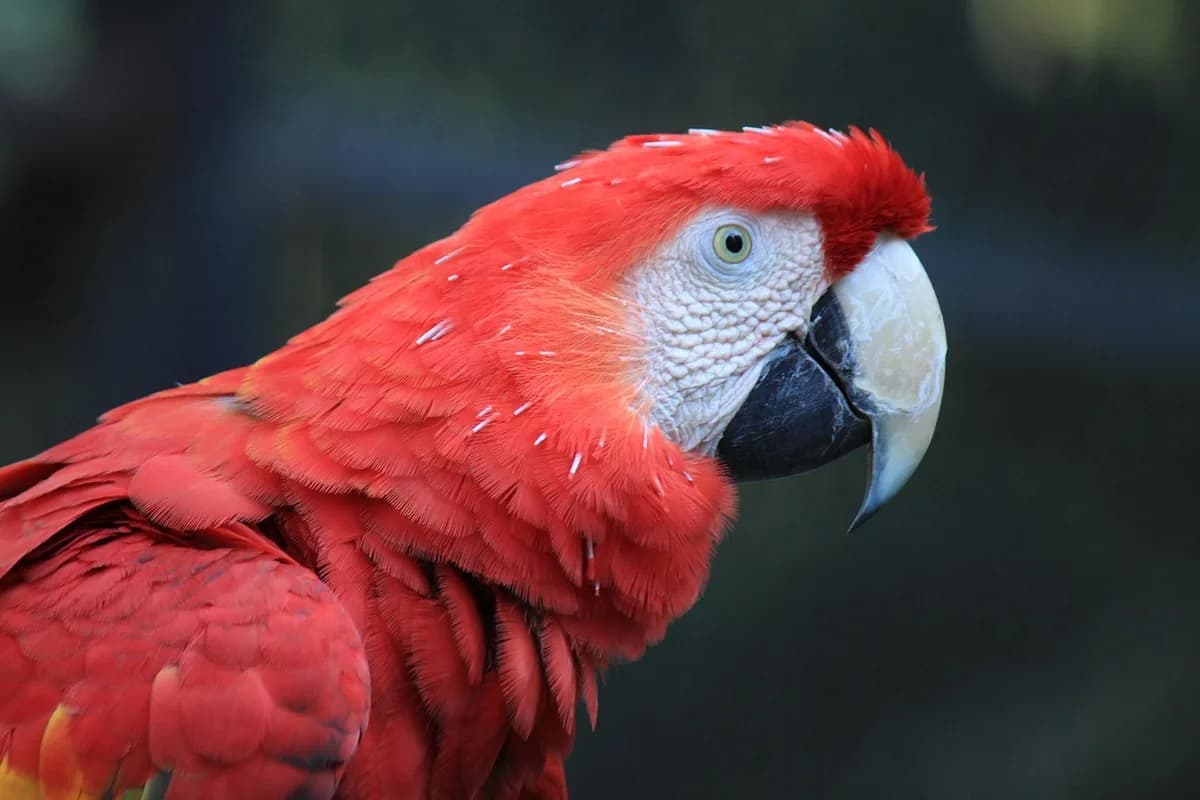
Amazon parrots are wonderful students. They are intelligent, motivated, and love a stage, which means a well-run training session is often the highlight of their day — and yours. But this same bird is bold and quick to anger when overstimulated, so training an Amazon is as much about reading the animal as it is about teaching cues. Do it with positive reinforcement, respect the bird's arousal and its hormones, and you will have a confident, cooperative companion. Here is how.
Trainability, and the Method That Works
Amazons are advanced-level birds with real cognitive horsepower and, in the best talkers like the Double Yellow-Headed and Yellow-Naped, a mimicry ability that rivals African greys. They learn fast and they remember. That intelligence cuts both ways: an Amazon that is trained with force or intimidation learns to bite and distrust just as quickly as it learns tricks.
The only method worth using is positive reinforcement — you reward the behavior you want and simply withhold the reward for what you don't, never punishing. Punishment and "dominance" tactics backfire badly with this species, escalating aggression and eroding trust. Find what your bird truly values (a favorite treat, a head scratch, an excited "good bird!") and pay generously for the behavior you want to see again.
Tip: Use a small, high-value treat your bird gets only during training — a sliver of almond, a single sunflower seed, a piece of favorite fruit. Because Amazons are obesity-prone, keep training treats tiny and count them against the day's food; a lot of learning can happen on very small rewards.
Reading the Bird Before You Reach
Before any hands-on work, know your Amazon's arousal signals, because a training session that pushes an overstimulated bird ends in a bite. Watch for pinning (flashing) eyes paired with a fanned tail and raised nape feathers — the classic "Amazon overload." If you see it, you have pushed the excitement too high. Pause, lower the energy, and give the bird a moment before continuing. Ending a session a beat early, while everyone is still calm and happy, is always better than pushing one interaction too far.
Building Trust First
If your Amazon is newly home or hand-shy, everything starts with trust — no cues, no hands, just building a positive association with your presence.
- Give the bird two weeks or so to settle before asking for anything.
- Sit near the cage and talk or read quietly so your presence predicts good, calm things.
- Offer favorite treats through the bars, then from an open hand resting near the cage, letting the bird choose to approach.
- Let the bird set the pace. Reaching in and grabbing a nervous Amazon undoes weeks of patience in seconds.
You know trust is building when the bird approaches the bars for you, takes food from your fingers, and vocalizes or displays when you enter the room.
Step-Up: the Foundation
Once your Amazon takes treats calmly from your hand, teach step-up — the cue underneath all other handling.
- Present a steady perch. Hold a hand, forearm, or a hand-held perch just above the bird's feet, gently touching the belly above the legs.
- Give the cue. Say "step up" clearly and cheerfully, every time.
- Reward the instant it steps. The moment both feet are on your hand, mark it ("good!") and deliver the treat immediately.
- Keep it short. Three to five reps, then quit while it's going well.
For a larger Amazon, a flat forearm or a sturdy hand-held perch makes a more secure, less intimidating platform than fingers and takes your hand out of biting range while you build reliability.
Target Training
Target training — teaching the bird to touch its beak to the end of a stick or chopstick — is the fastest way to build a cooperative Amazon, and it underpins almost every trick.
- Present the target near the beak. The moment the bird touches or even leans toward it, mark and reward.
- Repeat until touching is deliberate, then move the target so the bird takes a step to reach it.
- Use the target to guide the bird onto perches, into a carrier, or around a play stand — no hands, no force.
Target training is also invaluable for a hormonal or nippy Amazon: it lets you direct the bird from a polite distance instead of reaching toward a bird that may bite.
Recall
Recall — flying or climbing to you on cue — builds on target and step-up. Start with the bird on a perch, hold out your hand, give a "come here" cue, and reward a step toward you; gradually widen the gap. Practice only in a safe, enclosed room, and keep it upbeat. Recall is not just a party trick — a bird that reliably comes when called is far easier to manage and much safer if it ever gets loose indoors.
Tricks, Talking, and Whistling
With target and step-up in place, Amazons take to trick training with gusto — wave, turn around, retrieve, "wings up." Their love of performing makes them natural show-offs; keep it varied so this quick-bored bird stays engaged.
Talking is a signature Amazon talent. To encourage it, repeat a chosen word or phrase with enthusiasm at moments the bird is already vocal and attentive — mornings and greetings are ideal — and reward any attempt at mimicry with excited attention. Whistling and singing come even more naturally. Bear one thing in mind: an Amazon reliably repeats whatever earns the biggest reaction, so be deliberate about which words and sounds you reward with a laugh.
Warning: Never reward the loudest, most piercing scream with attention, food, or even a frustrated "quiet!" — to an Amazon, any reaction is a payoff, and you will teach louder screaming. Reinforce the softer contact calls, talking, and whistles instead, and answer them, so the bird learns that a normal voice gets your company.
Working Through Problem Behaviors
Two challenges dominate Amazon training. Biting almost always follows a missed overload or hormonal signal — the cure is prevention: read the eyes and tail, respect the warning, and give space rather than pushing to a bite. Seasonal aggression, most often in spring, can make a sweet bird territorial and short-fused for weeks. During that window, scale back hands-on training, lean on hands-off target work, keep interactions calm and brief, avoid petting anywhere but the head and neck, and hold a steady 10 to 12 hours of darkness to signal a non-breeding season. This is temporary; do not take it personally or respond with force.
Session Structure
- Length: 10 to 15 minutes, or less for a young or restless bird.
- Frequency: Two or three short sessions a day beats one long one.
- Timing: Morning, when the bird is alert and a little hungry, is prime.
- Always end on a win: finish with a cue the bird nails, so it leaves eager for next time.
At Bird Sitting Toronto, where we board hundreds of birds every year, the Amazons that were raised on patient, reward-based training are a joy to handle — confident, communicative, and genuinely fun. Meet this bird's brilliance with kindness and good timing, and a lifetime of that partnership is yours.
Explore related topics
Related Articles

Clicker Training for Parrots: The Complete Beginner's Guide
Clicker training is the most effective way to communicate with your parrot. Here's how to start from zero.

Crate Training Your Parrot: Stress-Free Vet Visits and Travel
The travel carrier doesn't have to be terrifying. Crate training makes vet visits and travel manageable.

Desensitization Training: Helping Fearful Parrots Overcome Their Fears
New toys, strangers, vet visits — many parrots are terrified. Systematic desensitization changes that safely.